

New Zealand’s BMI threshold for publicly funded fertility treatment is outdated and unethical. Here’s why it should go
- Written by The Conversation
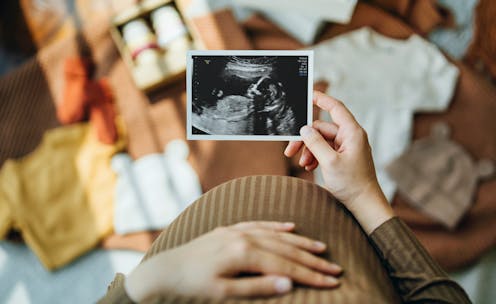
Women seeking publicly funded fertility treatment in New Zealand must have a body mass index (BMI) under 32, according to clinical priority assessment criteria for access to assisted reproductive technology.
But as our in-depth interviews and a growing body of evidence show, this approach is outdated and unethical.
One of our study participants described the system as “completely rigged if you’re a fat person”. Nina, a 37-year-old dance teacher, was denied public funding support to help her conceive because her BMI was above 32 – even though the cause of infertility was her husband’s sperm count.
Nina is not alone. Paratta, who moved to Aotearoa from Sri Lanka in 2009, was also denied because of her BMI. She raced to lose the required weight in spite of a medical condition, but was then denied again because she had reached 40, the age limit for access to public funding.
Both women’s experiences highlight New Zealand’s obsolete and discriminating BMI limit. The United Kingdom does not include BMI as a criterion for public funding, and international cutoffs are generally between 35 and 45.
We argue New Zealand’s BMI threshold must be scrapped to reflect impactful research and respond ethically to New Zealand’s diverse population.
BMI and fertility
One in six people worldwide are affected by infertility, according to the World Health Organization’s most recent estimate. They suffer severe social and psychological consequences.
There are numerous factors that can affect fertility, and obesity is certainly one of them, impacting 6% of women who have never been pregnant.
But the BMI is an outdated method of assessing this risk. It doesn’t measure body fat percentage, distribution or differences across populations.
Our study participants have raised concerns about the BMI limit. International and local studies concur with them. Research shows Polynesians are much leaner than Europeans at significantly higher BMIs, meaning Māori and Pacific women are disadvantaged before they even step into the clinic.
Quick weight loss unlikely to help
In New Zealand, people seeking public support are told that “making lifestyle changes like quitting smoking or losing weight” could help them become eligible. They are given a stand-down period wherein they must lose the requisite weight before referrals.
As in Paratta’s case, this can lead to a race to lose weight before the inflexible age limit of 40 is reached. Evidence-based research advises that fertility care should balance the risk of age-related fertility decline with weight-loss advice.
Nina rejected the advice to lose weight. She was concerned that quick weight loss would require unhealthy practices that could affect her success rate during the embryo transfer.
At the Australia and New Zealand Fertility Association’s annual conference last month, US obstetrician Kurt Barnhart confirmed that lifestyle interventions made weeks or months before conception are unlikely to improve outcomes. They may even cause harm.
He discussed the FIT—PLESE randomised control study, which compared two groups of infertile women. One underwent a targeted weight-loss program and another exercised but did not lose weight. The results showed no statistically significant difference between the groups’ fertility and live-birth rates. These findings suggest the stand-down period should be revised.
Barnhart also highlighted that weight loss through lifestyle changes can be practically impossible given obesity is often linked to endocrine issues that have nothing to do with choice. He observed signals that the medical community is changing its views on obesity as a “lifestyle” choice – a welcome shift.
BMI, lifestyle and ethics
Social science research has long challenged a colonial and biomedical habit of imposing standards on women whose bodies do not conform to Western ideas of a healthy or ideal body.
Historically, the emphasis on weight as a criterion for reproductive health echoes harmful eugenicist beliefs. As US science historian Arleen Tuchman writes, the discovery of insulin prompted some groups to recommended banning marriages for people with diabetes to prevent the “unfit” from reproducing. New Zealand’s BMI criteria similarly suggest only those who fit specific physical standards deserve access to fertility care.
The idea that lifestyle and health are straightforward individual choices is also challenged by research in epigenetics and philosophy. Obesity is often linked with poverty, which in turn is linked to broader social and living environments, including access and income.
The high economic burden of obesity has led biomedical experts to recommended obese people should be considered for particular support, given the prohibitive cost of assisted reproductive technologies.
Nina exercises more than eight hours a week and Paratta leads an active lifestyle. For both women, behavioural advice – and the stigma and assumptions it underscores – is offensive.
Weight-loss advice can be particularly culturally offensive for Māori and Pacific peoples, who may be stigmatised in clinic settings for being too “fat” but considered “skinny” in their communities if they lose the required weight.
New Zealand’s assessment criteria for publicly funded fertility treatment have not been updated in 27 years. While infertility and health risks associated with obesity during pregnancy and at birth should not be ignored, research shows these risks can be managed effectively and with empathy through a transdisciplinary approach.
The Australian state of Victoria now offers two free cycles of fertility treatment to any Medicare-holding woman, regardless of BMI, up to the age of 42. The program deliberately reaches out to specific groups whose ethnicity, sexuality and environment limit their access. It has been highly successful and should inspire New Zealand to approach fertility funding with fresh perspectives.


