

Giving First Nations names to our bird species is a lot more complex – and contentious – than you might think
- Written by The Conversation
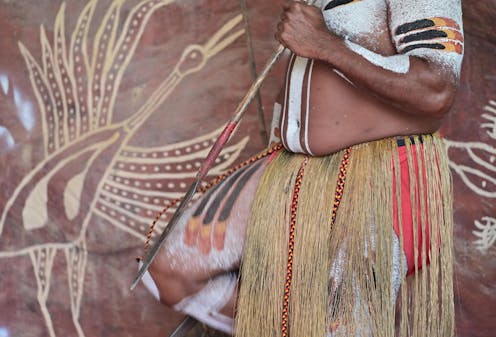
First Peoples’ names for animals and plants undeniably enrich Australian culture. But to date, few names taken from a language of Australia’s First Peoples have been widely applied to birds.
About 2,000 Australian bird species and subspecies occur in Australia and its territories. However, just 35 of these have common names taken directly from First Peoples’ languages. These names are variations of just a handful of First Peoples words: galah, gang-gang, budgerigar, currawong, brolga, kookaburra, chowchilla, Kalkadoon and mukarrthippi.
By contrast, many more bird names promote colonial power, by memorialising (mostly male) foreign explorers, naturalists, administrators or royalty – some of whom never even visited Australia.
There is growing interest in the use of First Peoples’ words, as a global movement to decolonise the common names of species gathers pace. But as we and our colleagues explain in a paper published today, the practice is far more complex, and sometimes contentious, than it might appear.
A bird by many names
In Aoteoroa/New Zealand, many birds are known by their Māori names. Kiwis have never been known by any other name, and nor have kākāpō or kākā.
It seems natural to assume using Indigenous names for our flora would help recognise First Peoples’ rights and knowledge, and their important role in Australian bird conservation.
But we should proceed with both caution and respect.
More than 250 First Peoples languages exist in Australia. This is unlike New Zealand where there is one Māori language (though many dialects).
Most Australian birds occur on Country of more than one First Peoples’ group, and each group is likely to have at least one name for each species.
The galah is a good example. For the first 100 years after Europeans arrived, naturalists most commonly used the name rose-breasted cockatoo.
Gradually, however, the name used by the Yuwaarlaraay of north-western New South Wales – gilaa – took hold. In 1926, the Royal Australasian Ornithologists Union, now BirdLife Australia, adopted a variant of this, galah, as the official Australian name for the species.
Since then, galahs have become deeply embedded into the national psyche. When Home and Away character Alf Stewart calls someone a “flamin’ galah” most Australians knows he is being uncomplimentary.
Similarly, there could be no mistaking which species a survey respondent was referring to when they stated their favourite bird was a “glar”.
But in the Kimberley region, the Gooniyandi peoples call galahs girlinygirliny. In the NSW Riverina, the Wemba-Wemba name is wilek-wilek.
Likewise, the white-throated grasswren is known by the name yirlinkirrkkirr or yirrindjirrin in the Kunwinjku dialect. It’s also known as djirnidjirnirrinjken in the Kune dialect, from the Bininj Kunwok language group. The Jawoyn name for the same species is nyirrnyirr.
The situation is even more complicated for birds shared with other countries.
These multiple words for a species mean governments and other organisations could be seen as favouring one group over another if they recognise a particular First Peoples’ name.
So sometimes it’s best to keep the English name, even though First Peoples’ names exist. This was the case with the endangered golden-shouldered parrot, known by Queensland’s Olkola people as alwal.
The bird is highly significant in the Olkola creation story. However, a team working on the species’ recovery, chaired by an Olkola representative, decided to stick with the English name because neighbouring language groups refer to the bird by other names.
Sadly, the parrots themselves no longer occur on the Country of some First Peoples, and only the name of the bird remains.
Protecting the secret and sacred
The words First Peoples use to describe species may have special cultural significance.
First Peoples’ names for birds, and other species, are often built around the birds’ relationships with people, kin and with Country. For example, the name may describe:
- a connection between a person and a species
- a group of people’s relationship with each other which is related to a shared ancestor
- relationships between people and a sacred site or Dreaming track.
Sometimes the names have sacred or secret meanings – and these can change with the place or with the speaker.
For these reasons, First Peoples may not want names from their language to be publicly available or used in official documents without their consent.
Permission is key
There are cases where English names should and can be replaced by a First Peoples’ name.
For example, in 2020 the bird now known as the mukarrthippi grasswren was recognised as a separate subspecies and needed its own common name. Australia’s rarest bird, it is known from just a few sand dunes on Country of the Ngiyampaa people in western New South Wales.
Ngiyampaa elders together settled on the name mukarrthippi. It is a combination of Ngiyampaa words – mukarr or spinifex (the spiny grass in which the grasswrens live) and thippi which means little bird.
Across Australia, 14 other bird subspecies have only ever been known from Country of a single First Peoples group. This means conversations with elders could be had about ascribing a First Peoples’ name to these birds.
In other cases, language users from multiple First Peoples groups could decide together on a name.
Where First Peoples offer alternative names for animal and plant species, governments should embrace the change. But no new First Peoples’ names should be adopted for species without explicit permission of the speakers of the language.


