

AI is creeping into the visual effects industry – and it could take the human touch out of film and TV
- Written by The Conversation
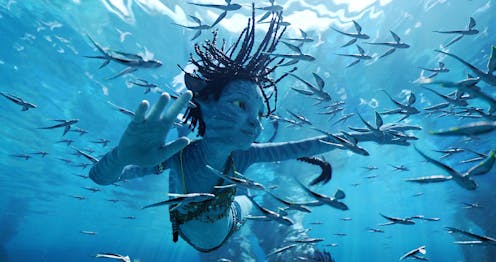
From the mind-bending reality warps of Doctor Strange in the Multiverse of Madness (2022) to the breathtaking alien vistas of Avatar: The Way of Water (2022), visual effects have transported us to worlds beyond imagination. Yet the future of visual effects (VFX) could hang in the balance as artificial intelligence is subsumed into screen production processes.
Lionsgate’s recent partnership with AI startup Runway has sparked controversy in the visual effects industry.
By allowing Runway to train AI on Lionsgate’s vast film and TV catalogue, the collaboration promises increased efficiency and financial savings – but at what cost?
Growing apprehension among workers
According to a research report published in January, 75% of 300 entertainment industry leaders surveyed said generative AI tools, software and models had contributed to the elimination, reduction or consolidation of jobs within their business divisions.
The report highlighted the visual effects sector as being particularly vulnerable, as AI techniques are often applied in post-production processes. This vulnerability was typified in our own research published today.
Our work reveals visual effects artists have serious concerns about generative AI’s integration into screen production. These include worries over job insecurity, creative devaluation, and the potential for AI to produce derivative content that fails to meet audience expectations.
Challenges of AI in the VFX industry
Our findings reflect growing concerns that AI’s use in filmmaking could magnify existing industry problems. It could, for instance, exacerbate unfair working conditions. Or it could undermine creativity if artists are expected to “clean up” AI-generated work rather than create their own.
Visual effects artists, who have typically been early adopters of new technologies, acknowledge AI could bring both opportunities and challenges. While it could help streamline certain tasks, it could equally impact on the overall quality of their work.
The artists we spoke to were worried a reliance on AI might stifle creativity and skill development, by making the work “more mechanical and less creative”. In a recent example, the AI-generated title sequence for Marvel’s Secret Invasion series was widely criticised for lacking artistic merit.
There were also questions about how artists would be compensated if their work is used to train AI models.
Some senior supervisors were particularly concerned about the ethical and legal considerations of using AI on commercial projects. They were uncertain around intellectual property rights for AI-generated content, as well as the potential for copyright infringement.
On the creative and technical front, artists recognised AI’s value in generating ideas and automating repetitive tasks. However, nearly all of them said AI tools weren’t yet production-ready, and highlighted difficulties with integrating said tools into existing pipelines.
The next steps
The VFX industry was already struggling with profits and sustainability before the AI boom. Visual effects companies often face bankruptcy – even Oscar-winning ones. In many cases, artists will get laid off once a project is complete.

The partnership between Lionsgate and Runway represents the industry’s collective failure to address concerns over AI. But there’s still time to fix things.
The first step is developing clear industry guidelines for AI’s use in visual effects. Above all else, AI should help augment human creativity, rather than replace it. And artists should be fairly compensated if their work is used to train AI models.
Investment in training programs could also help artists adapt to new AI tools without compromising their creativity. As one interviewee told us, human expertise and creativity remain important in visual effects.
“Understanding the why behind certain choices, the creative decision making, that’s something I haven’t really seen AI effectively do,” they said.
As the industry stands at a technological crossroads, it must balance the pursuit of efficiency with genuine creativity. Otherwise, we risk losing the human touch that brings our favourite films to life.


