

The UN warns famine is likely in Gaza. What do malnutrition and hunger do to the body?
- Written by The Conversation
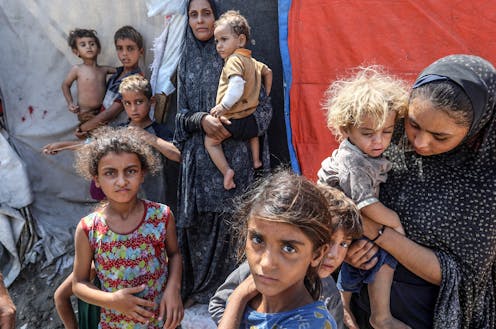
The risk of famine looms in Gaza. International monitors warn more than 90% of the population face acute food insecurity, meaning their inability to eat enough food puts them in immediate danger of starvation. The number experiencing “catastrophic” hunger is set to double in the coming months.
Israel has been accused of deliberately blocking humanitarian aid, including food. In September, deliveries of food and aid to Gaza fell to their lowest in seven months after Israel introduced new customs rules.
The World Health Organization has repeatedly warned about the consequences of hunger and food insecurity in the region, including the impact on rising infection rates and increased child mortality.
The scale of this humanitarian crisis could be overwhelming, as extreme hunger threatens to engulf an entire population – nearly half of which are children.
What does hunger mean for people’s health – especially children – at the individual level? And will survivors be able to recover from the damage?
Who is most at risk?
Food shortages mean people not only eat less overall but can miss out on essential nutrients.
This can lead to severe acute malnutrition. In children, this means measurable negative effects on bodily functions and growth, including weight and muscle loss.
Some people will experience the effects of starvation more rapidly. Those most at risk have low stores of energy and protein, and/or higher nutritional needs for growth and development. They include the elderly, infants, children, and women who are pregnant or breastfeeding.
Childhood nutrition is critical
From a nutritional viewpoint, the first 1,000 days of life are a critical window for growth and development.
During this time, the microbiome (the bacteria that live in our digestive system) develops and is influenced by external factors such as diet, and exposure to microbes and pollutants, which shape how the body and immune system function.
Severe acute malnutrition has several short-term impacts. Malnourished children have reduced immunity, meaning they are less able to fight infections – such as E.coli – partly due to changes to their microbiome. This makes them more vulnerable to contaminated food and water.
Bacterial infection is a leading cause of death for children with severe acute malnutrition.
Israel has destroyed around two-thirds of Gaza’s water systems, according to UNICEF, forcing children to drink unsafe water and increasing their exposure to sewage and waterborne diseases.
Read more: Polio in Gaza: what does this mean for the region and the world?
Long-term impacts of malnutrition
The effects of malnutrition and starvation during childhood continue into adulthood. Those who survive have a higher risk of developing chronic diseases, including diabetes, high blood pressure and metabolic syndrome (a cluster of conditions that can increase your risk for heart disease and stroke).
Damage to the gut lining can also cause long-term inflammation. This may make it harder to absorb nutrients, increase the risk of bacterial imbalances, and stop the pancreas and liver working properly.
Muscle loss and changes in electrolytes can also impact the heart, increasing the risk of arrhythmia (irregular heartbeat).
What about the brain?
Malnutrition can harm brain development in children. It can reduce brain size and slow growth, potentially impairing function and memory.
Impacts on how the brain develops could affect cognition, behaviour and reduce academic achievement.
More research is needed to understand how malnutrition during childhood affects mental health. But studies suggest it may be linked to personality disorders, attention deficits, lower self-esteem and reduced quality of life.
For children in Gaza, these harms will likely be compounded by trauma and displacement.
Impact during pregnancy
Malnutrition can also affect the health of unborn babies. Famine and food shortages in Gaza mean pregnant women are not getting enough folate, iron, vitamin B12 and iodine. These nutrients are crucial to ensure their baby’s healthy delivery and reduce long-term health impacts.
Nutritional deficiencies for the mother during pregnancy can increase the baby’s risk of clinical obesity, type 2 diabetes and metabolic syndrome.
Although less well-studied, there is also evidence a father’s diet, health, sperm quantity and quality can have similar health impacts on their offspring.
How is severe acute malnutrition treated?
Severely malnourished people need nutritional rehabilitation. This involves slowly increasing nutrient intake – by around 25% above normal requirements – and eating high-quality, protein-rich foods, essential fatty acids, vitamins and minerals.
During the initial treatment phase children may need to be hospitalised. One concern is refeeding syndrome, a condition where sudden availability of glucose can cause rapid changes in electrolytes. In extreme cases, this can cause heart failure. Researchers are also investigating how to restore the microbiome of malnourished children.
But access to adequate treatment is not assured, given the widespread damage to Gaza’s hospital system.
Unfortunately successful treatment doesn’t guarantee survival. Lasting impacts of severe acute malnutrition are linked to high rates of disease and early death, even after treatment. Studies suggest up to 10.4% of children successfully treated in hospitals do not survive 12 months after they’re discharged.
The devastating social and food conditions in Gaza are unimaginable to those of us living in other parts of the world. With no end in sight, the impact of food insecurity and lack of humanitarian aid can only lead to an escalation of the rates of malnutrition and diseases in those most vulnerable.
The long-term consequences for Palestinians will be felt for generations to come.


