

We identified the 63 animals most likely to go extinct by 2041. We can't give up on them yet
- Written by The Conversation
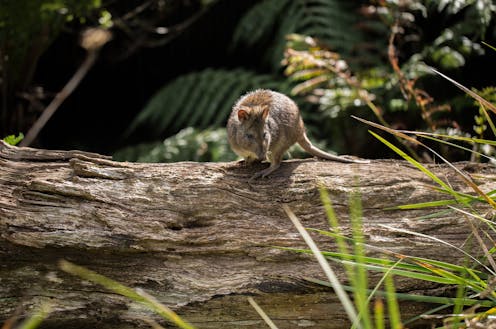
It feels a bit strange to publish a paper that we want proved wrong – we have identified the 63 Australian birds, mammals, fish, frogs and reptiles most likely to go extinct in the next 20 years.
Australia’s extinction record is abysmal, and we felt the best way to stop it was to identify the species at greatest risk, as they require the most urgent action.
Leading up to this paper, we worked with conservation biologists and managers from around the country to publish research on the species closest to extinction within each broad group of animals. Birds and mammals came first, followed by fish, reptiles and frogs.
From these we identified the species that need immediate work. Our purpose is to try to ensure our predictions of extinction do not come true. But it won’t be easy.
Animals in peril
The hardest to save will be five reptiles, four birds, four frogs, two mammals and one fish, for which there are no recent confirmed records of their continued existence.
Four are almost certainly extinct: the Christmas Island shrew, Kangaroo River Macquarie perch, northern gastric brooding frog and Victorian grassland earless dragon. For example, there have only ever been four records of the Christmas Island shrew since it was found in the 1930s, with the most recent in the 1980s.
While some of the 16 species feared extinct may still persist as small, undiscovered populations, none have been found, despite searching. But even for species like the Buff-breasted button-quail, those searching still hold out hope. It is certainly too soon to give up on them entirely.
We know the other 47 highly imperilled animals we looked at still survive, and we ought to be able to save them. These are made up of 21 fish, 12 birds, six mammals, four frogs and four reptiles.
For a start, if all their ranges were combined, they would fit in an area of a little over 4,000 square kilometres – a circle just 74km across.
Nearly half this area is already managed for conservation with less than a quarter of the species living on private land with no conservation management.
 This waterfall in NSW is all that protects the last population of the fish, stocky galaxias, from the predatory trout below.
Mark Lintermans
This waterfall in NSW is all that protects the last population of the fish, stocky galaxias, from the predatory trout below.
Mark Lintermans
More than one-third of the highly imperilled taxa are fish, particularly a group called galaxiids, many of which are now confined to tiny streams in the headwaters of mountain rivers in southeastern Australia.
Genetic research suggests the different galaxiid fish species have been isolated for more than a million years. Most have been gobbled up by introduced trout in little more than a century. They have only been saved from extinction by waterfall barriers the trout cannot jump.
Read more: Before and after: see how bushfire and rain turned the Macquarie perch's home to sludge
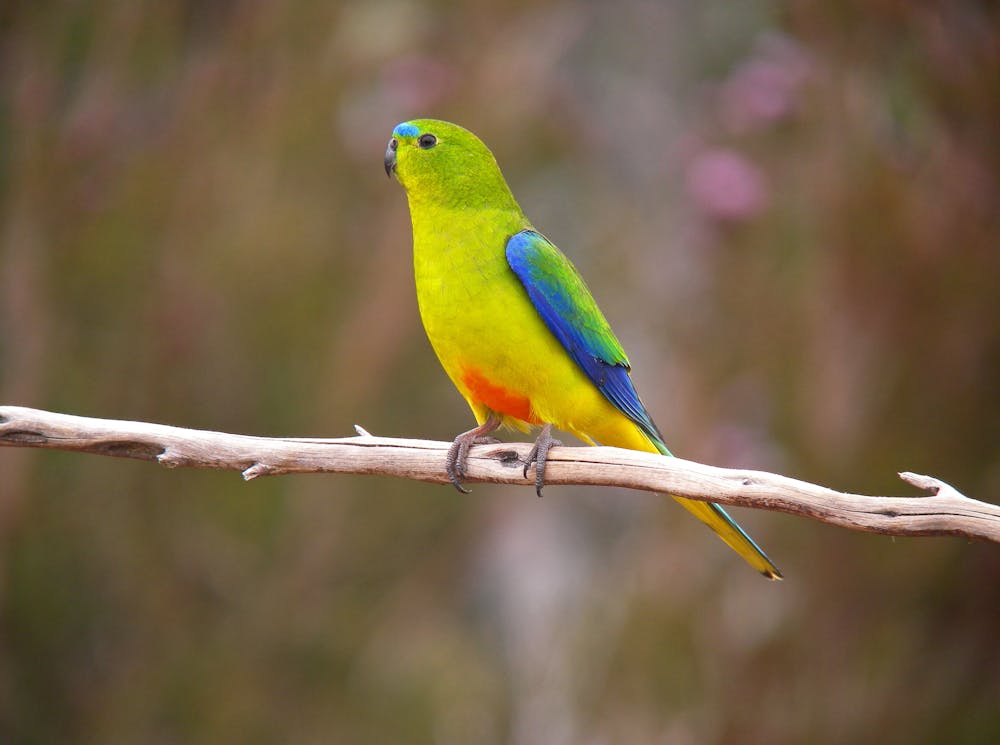
The other highly imperilled animals are scattered around the country or on offshore islands. Their ranges never overlap – even the three highly threatened King Island birds – a thornbill, a scrubtit and the orange-bellied parrot – use different habitats.
Sadly, it is still legal to clear King Island brown thornbill habitat, even though there are hardly any left.
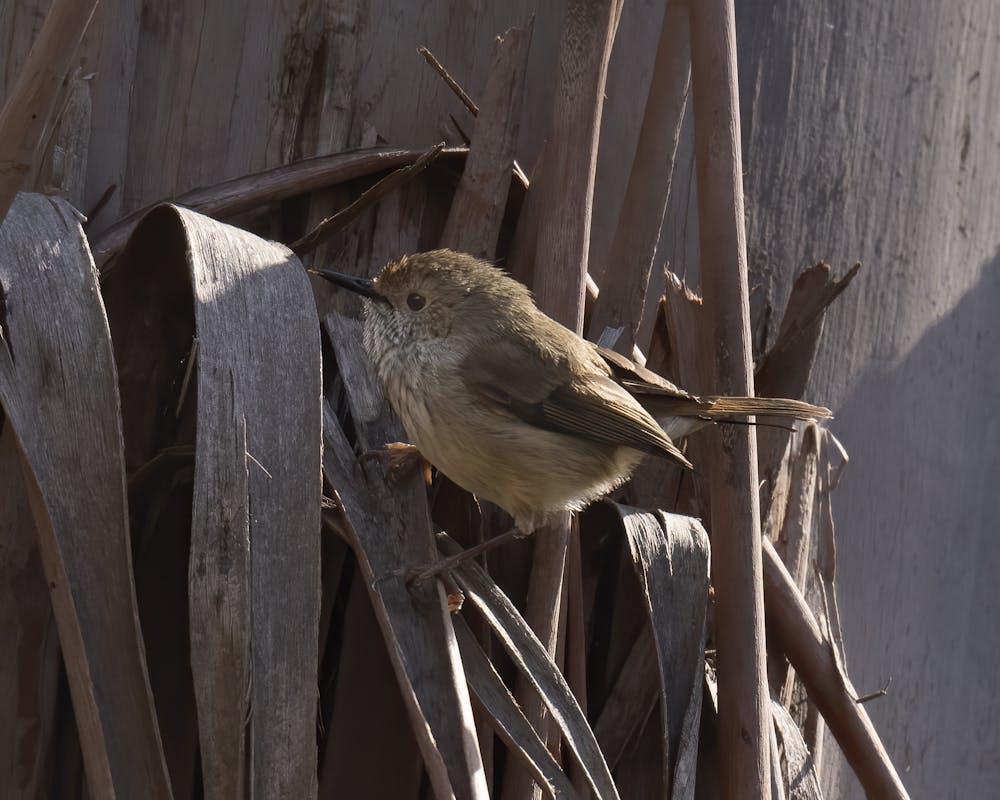 The King Island brown thornbill.
GB Baker, Author provided
The King Island brown thornbill.
GB Baker, Author provided
It’s not all bad news
Thankfully, work has begun to save some of the species on our list. For a start, 17 are among the 100 species prioritised by the new national Threatened Species Strategy, with 15 of those, such as the Kroombit Tinkerfrog and the Bellinger River Turtle, recently getting new funding to support their conservation.
There is also action on the ground. After the devastating fires of 2019-20, big slugs of sediment were swept into streams when rain saturated the bare burnt hillsides, choking the habitats of freshwater fish.
In response, Victoria’s Snobs Creek hatchery is devoting resources to breeding some of the most affected native fish species in captivity. And in New South Wales, fences have been constructed to stop feral horses eroding the river banks.
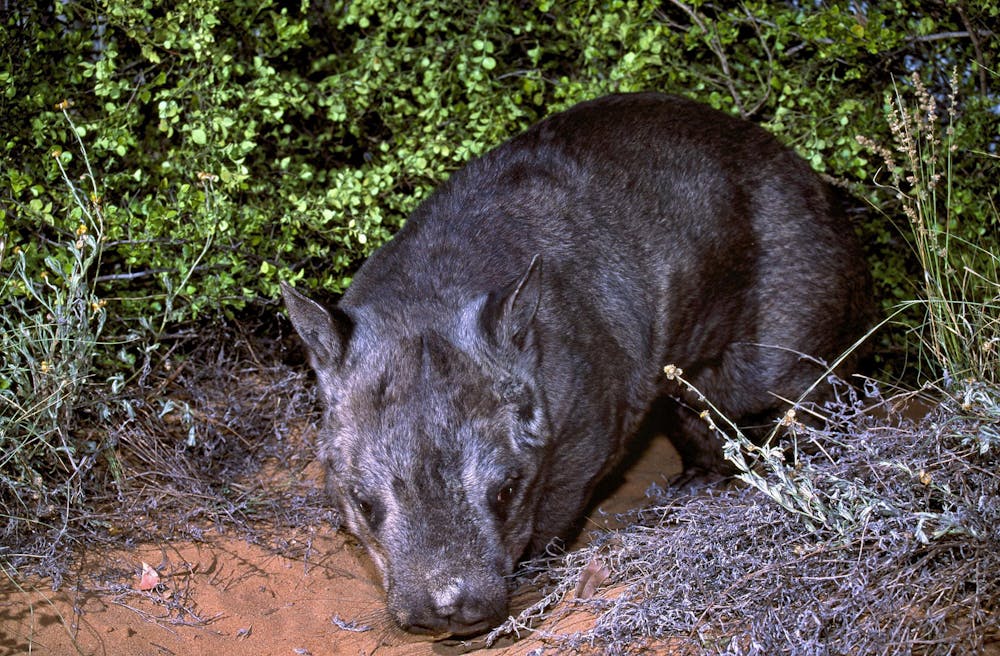 Northern hairy-nosed wombat is one of the rarest land mammals in the world.
AAP Image/Supplied by Department of Environment and Science
Northern hairy-nosed wombat is one of the rarest land mammals in the world.
AAP Image/Supplied by Department of Environment and Science
Existing programs have also had wins, with more orange-bellied parrots returning from migration than ever. This species is one of seven we identified in our paper – three birds, two frogs and two turtles – to which captive breeding is contributing to conservation.
Ten species – six fish, one bird, one frog, one turtle and Gilbert’s potoroo – are also benefiting from being relocated to new habitats in safer locations.
Read more: We name the 26 Australian frogs at greatest risk of extinction by 2040 — and how to save them
For example, seven western ground parrots were moved from Cape Arid National Park to another site last April, and are doing so well that more will be moved there next month.
The wet seasons since the 2019-2020 fires have also helped some species. Regent honeyeaters, for example, are having their best year since 2017. Researcher Ross Crates, who has been studying the birds for years, says 100 birds have been found, there are 17 new fledglings and good flocks of wild and newly released captive birds being seen.
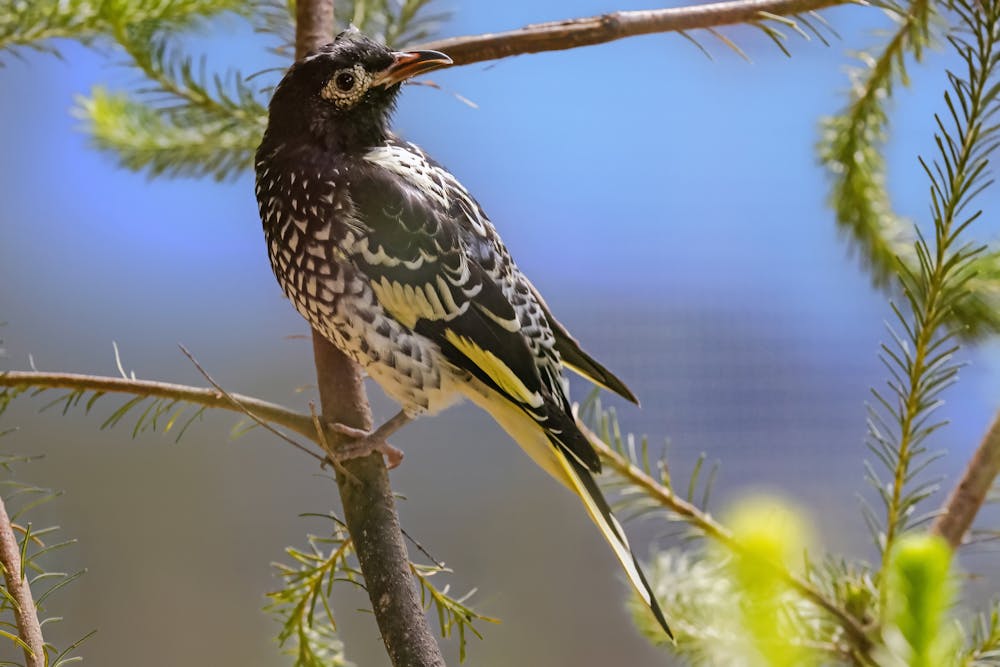 Regent honeyeater numbers are growing thanks to the recent rain.
Shutterstock
Regent honeyeater numbers are growing thanks to the recent rain.
Shutterstock
In fact, in some places the weather may have been too favourable. While good streamflows helped some galaxiids breed, invasive trout have also benefited. Surveys are underway to check if flows have been large enough to breach trout barriers.
There’s work still to do
The fish hatchery program is only funded for three years, and a shortage of funds and skilled staff mean attempts to ensure populations are safe from trout has been patchy. And one cannot afford to be patchy when species are on the edge.
Some legislation also needs changing. In NSW, for example, freshwater fish are not included under the Biodiversity Conservation Act so are not eligible for Save Our Species funding or in the otherwise laudable commitment to zero extinctions in national parks.
Elsewhere, land clearing continues in scrub-tit and brown thornbill habitat on King Island – none of it necessary given so little native vegetation remains on the island.
As many as 90 of around 315 native freshwater fishes may now meet criteria as threatened.Swift parrot habitat in Tasmania continues to be logged. The key reserve of the western swamp tortoise near Perth is surrounded by burgeoning development.
Also, the story we tell here is about the fate of Australian vertebrates. Many more Australian invertebrates are likely to be equally or even more threatened – but so far have largely been neglected.
Nevertheless, our work shows that no more vertebrates should be lost from Australia. The new Labor government has promised funds for recovery plans, koalas and crazy ants. Hopefully, money can also be found to prevent extinctions. There is no excuse for our predictions to come true.
Read more: Photos from the field: capturing the grandeur and heartbreak of Tasmania's giant trees


