

This summer, please leave the sea shells by the seashore
- Written by The Conversation
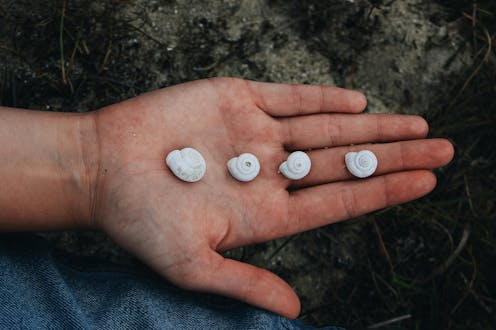
When I (Nathan Brooks English) was six years old, I snuck a starfish home from the beach and hid it in my closet. I regret that now, as my parents did then when the smell of rotting starfish overwhelmed the house. I regret it also because that starfish had a place and a purpose – and dying in a hot, dark closet next to my Hot Wheels was not it.
Likewise, the beautiful shells and natural flotsam that decorate Australian beaches have a place and a purpose. For many of us, summer at the beach is a cherished memory and collecting seashells is probably a part of that memory.
On most beaches in Australia, collecting shells without living creatures in them is legal, but let me convince you there are better options that ensure future Sallies will still find seashells by the seashore.
Someone needs that shell more than you
For native wildlife, both occupied and unoccupied shells provide important shelter and sources of calcium and grit.
Taking that beautiful snail shell could increase the cost of housing for a hermit crab or the small shrimp that needs it next. The beautiful conch shell that calls to you is actually an octopus caravan.
For these reasons, never pick up shells in the water or in tidal pools; chances are they are being used or will be shortly.
Likewise, collecting shells in marine parks is strictly prohibited.

Shells have spiritual and cultural importance
For the island Woppaburra People of central Queensland, beaches and shells have spiritual and cultural importance as part of Dreaming stories, dance and ceremonies.
In addition to their place and purpose in my (Robert Muir) stories and culture, shells can also provide valuable insight and context to our history on the island.
Middens (deep piles of shells left on the beach after being used to produce food or tools) provide archaeological evidence that the islands have been occupied for at least the past 5,000 years.
Back then, Woppa (also known as Great Keppel Island, in Queensland) and its beaches could sustainably support the 100 to 200 people who lived on the island for more than five millenia.
Today, Woppa hosts tens of thousands of visitors a year on three small beaches. And while people are welcome to pick up, examine and play with the shells, to preserve their place and purpose they must be left on the shore where they were found.
 Visitors to Woppa (also known as Great Keppel Island) can pick up shells, but they should put them back.
Wazzy/Shutterstock
Visitors to Woppa (also known as Great Keppel Island) can pick up shells, but they should put them back.
Wazzy/Shutterstock
If everyone took a shell…
Increasing pressure on beaches and their natural resources isn’t just felt on Woppa.
The global population now exceeds 8 billion people and our collective (pun intended) impact on beaches is magnified. That’s twice as many people as when I (Nathan Brooks English) was a child in the late 1970s.
For example, in 2019 Bondi Beach had more than 2.1 million visitors (not that anyone is looking at shells). If everyone took a shell, there’d be hardly any left.
Even smaller beaches need time to accumulate shells and a summer rush of collectors can quickly deplete beaches of shells until the next cyclone or winter storm washes more up.
What to do instead of collecting shells
So how do we balance wanting a tangible reminder of the beach in our own yards or homes (the destination of many shells) versus not damaging the natural beauty and function of beach ecosystems?
Instead of taking a shell, take a picture instead. You can photograph unoccupied shells in place along the beach where the tide has collected, or arrange them together for a photographic collage.
Include them in your sandcastles as gates, windows, or little people to populate the castle.
For your artsy children (or adults), use crayons or coloured pencils and a small sketch pad to draw the shells.
Taking a few shells at a time to your umbrella to sketch them and then returning them to the tide line will sate the urge to collect and leave the beach unchanged.
You may even find you have a gifted scientific illustrator on your hands.
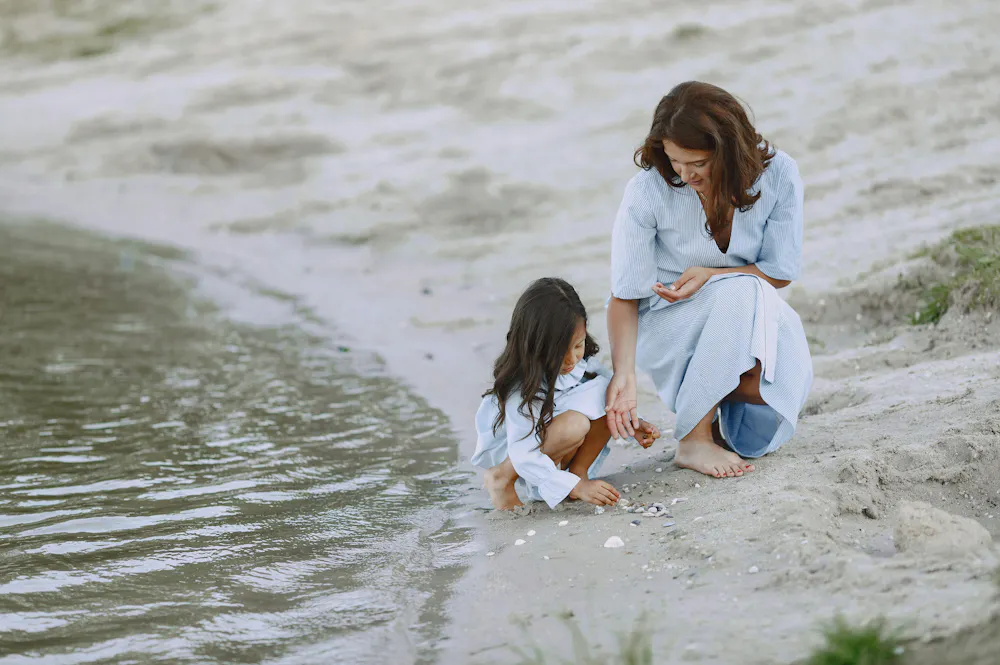 When you’re done with the shells, just leave them near the shore.
Photo by Gustavo Fring/Pexels
When you’re done with the shells, just leave them near the shore.
Photo by Gustavo Fring/Pexels
When you’re done with the shells, leave them by the shore. Wind, tides and time (or tomorrow’s small visitor) will sweep them back into natural circulation, continuing their storied lives as creature homes or fine grit for our beautiful Australian beaches, their purpose and place preserved.
If you absolutely must pick something up and take it home, please pick up some of the vast amount of plastic found on Australian beaches.
Read more https://theconversation.com/this-summer-please-leave-the-sea-shells-by-the-seashore-243157


