

Removing babies is still harming First Nations families, almost two decades after the apology to Stolen Generations
- Written by The Conversation
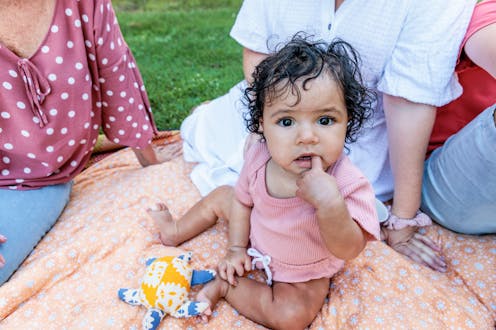
Today marks 17 years since the apology to Australia’s Indigenous peoples for the forced removal of Aboriginal and Torres Strait Islander children from their families between the mid-1800s and 1970s.
Yet, communities and researchers are concerned that child protection systems are creating “another stolen generation” and a “crisis in infant removals”.
Statistics tell us Indigenous children are 11 times more likely to be removed by child protection systems than non-Indigenous children. Indigenous babies aged under one are at greatest risk.
But beyond the data, what do parents tell us about this experience?
Our recent study reviewed all the studies available about child protection processes in the perinatal period (during pregnancy and the year following birth) in Australia and across the world.
We looked at parents’ experiences across the board, with a special interest in whether First Nations families had been included in existing research.
What we already knew
Whistleblowers, including a former Aboriginal family support officer, have reported distressing child protection processes, including the removal of babies immediately following delivery.
Families that interact with child protection systems often already face multiple and complex forms of adversity. This can include poverty, homelessness, racism, intergenerational trauma, family violence, disability, mental illness, substance use and incarceration.
The perinatal period offers a unique window for early intervention and family support to reduce the risk of removal.
This could involve greater help accessing suitable housing and addressing family violence, and enhancing access to health care that is culturally safe and trauma-informed, before and after birth.
What we found
Our systematic review examined 24 studies about child protection services becoming involved with families during pregnancy and the first year after birth. This included research from Australia, the United Kingdom, Canada, the United States, New Zealand and Sweden.
We looked at what parents told researchers about their experiences and found striking similarities, regardless of where they lived.
Globally, there were comparatively few studies including First Nations families. But both Indigenous and non-Indigenous parents reported punitive processes that had an enduring impact on the health and wellbeing of the parent and family.
They also agreed that early, transparent, compassionate and culturally appropriate support was required to address their needs. These included legal support to understand court processes, as well as being able to access health care without fear it could lead to removal.
Four themes emerged from these lived experiences. Here, we’ve included the voices of Aboriginal mothers who participated in a 2023 Australian study to illustrate the importance of these issues to Indigenous families.
1. A lack of support before and after removal
Parents often found the birth of their babies life-changing. However many believed child protection services didn’t adequately understand their experience or inform and support them at this time.
Mothers felt confused and overwhelmed, experiencing symptoms of post-traumatic stress disorder and enduring grief following the removal of their babies.
Bridget*, an Aboriginal mother, told researchers:
There is no support… I think they should help towards improving family and helping family before taking a child away. It should be the absolute last option.
2. Devastating impact on relationships and wellbeing
Mothers often felt isolated and described negative interactions not only with child protection workers but also partners and families.
Fear of removal also prevented mothers from seeking antenatal care or professional support services, further compromising health and wellbeing.
Stacey said:
You have to do what they want; they control everything… who you hang out with, what you do […] There is no fixing the family… What they say goes or they take your kids.
3. Feeling powerless in the system
Many mothers had been in care themselves. They felt unfairly punished, because it was assumed they would not be capable parents due to past and present trauma.
First-time parents felt especially powerless to prove their parenting capacity.
Stacey said removing a baby from a first-time mum causes
a lot of stress and impact on everyone involved… It’s causing a lot of pain… give us the chance to be with our child to build that bond first.
Parents described surveillance framed as support, a lack of professional transparency, and often unexpected and acutely painful removals.
4. Harmful judgements and stereotypes
Insufficient support for poverty and homelessness before removal made it impossible to meet child protection requirements.
A mother who was homeless at the time her baby was removed said:
We had got secure accommodation with family. […] We weren’t doing any drugs; we were on the methadone… we had a caseworker…
They led us to believe we’re keeping her… [then] they handed me a piece of paper and said, “We’re taking your baby”. I was in shock… I felt like I was ambushed.
Parents with complex health issues also felt judged according to negative stereotypes and traditional, white, middle-class standards.
Some parents lost welfare entitlements and housing because babies had been removed, compounding their difficulties.
Where to from here?
In Australia, current Indigenous-led research and the work of Aboriginal state, territory, and national children’s commissioners is critical to guiding the development of support for families to stay together and thrive.
Parents and researchers are united about the immediate need for child protection systems to:
- provide early and sustained family-centred support during pregnancy and beyond
- address families’ practical and material needs, including poverty and homelessness
- train professionals to reduce power imbalances and build trusted relationships
- offer trauma-informed and culturally matched support services
- provide immediate and ongoing mental health support if babies are removed.
Renna (a co-author on this article and also a proud Walbunja woman from the Yuin Nation, academic and social worker) reflects on the removal of her baby not long before the apology.
Eighteen years later, I know we will never feel whole, left with empty arms, a life stolen, the shadow festers and grows.
Special thanks to our review co-authors Melissa O’Donnell, Lisa Wood, Colleen Fisher and Renée Usher, our expert advisory group, the Stan Perron Charitable Foundation and the original participants and researchers whose primary studies made our review and this article possible.
*Names have been changed for privacy.
If this article has raised issues for you, or if you’re concerned about someone you know, call Lifeline on 13 11 14. 13YARN is a free and confidential 24/7 national crisis support line for Aboriginal and Torres Strait Islander people who are feeling overwhelmed or having difficulty coping. Call 13 92 76.


