

Luxury hiking developments look picture-perfect, but could stop everyday Australians from accessing national parks
- Written by The Conversation
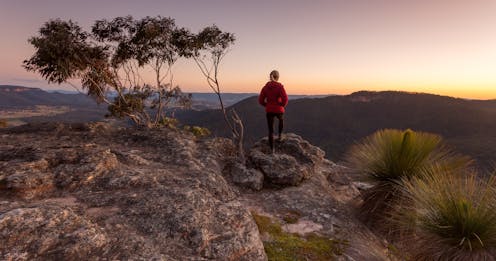
Luxury hiking developments are popping up around Australia – fancy lodges, hot showers and extensive walking infrastructure.
While many opt for these deluxe alternatives to a backpack and tent, they can also stop independent hikers with smaller budgets from accessing national parks if not carefully planned.
National parks are open to all and are arguably some of Australia’s least locked-up lands. They are fundamental to Australia’s tourism offerings with 53 million domestic visits to national parks in New South Wales alone.
National parks are meant to support nature and community. Can remaking sections of them for a select clientele get in the way of these goals?
Why do we have national parks?
The primary purpose of national parks is to conserve nature and cultural heritage. A secondary purpose is for people to engage with and enjoy nature.
Parks agencies use many tools to support conservation and recreation, including building infrastructure or limiting the number of visitors.
Outdoor infrastructure – such as raised boardwalks on hiking trails and cabins for accommodation – can increase visitor comfort and improve physical access. It also helps protect habitat and reduces soil damage and problem behaviours by visitors.
Capping visitor numbers can prevent crowding and lessen physical and social impact. For example, visitors to Lord Howe Island is limited to the number of guest beds.
Society is changing – and so is hiking
The number of Australians accessing national parks is growing. But society is changing and people are engaging with nature differently than they used to.
Today’s national park visitors come from diverse backgrounds. They increasingly use parks as meeting places and have less outdoor survival experience. There is also a growing number of people seeking – and willing to pay for – “hero” experiences - exciting luxury activities that showcase unique aspects of a place.
This means parks agencies must cater to a broad audience. To do this, they are diversifying their offerings from basic experiences to include higher-cost adventures.
An example of the latter includes multi-day hiking routes, such as the Three Capes Track in Tasmania and the Milford Track in New Zealand.
They take place on well-established, high-quality trails maintained by parks agencies and catering to a limited daily number of independent fee-paying walkers. can you please say how much they cost, with a link? Readers will be interested.
Often, the trips are guided by private operators at extra cost.
While these projects may boost tourism, some fear they may exclude visitors on a budget.can we please attribute this - who holds these fears, and can we please provide a link?
Privatisation by stealth?
One of the main concerns with these developments is that private businesses profit from public assets with little benefit to conservation, the primary purpose of national parks.
Private operators are building luxury lodges and being granted concessions to operate guided hiking experiences in national parks.
Independent hikers can still visit the Three Capes Track in Tasmania, though the experience is no longer as accessible, affordable or spontaneous as it once was.
The Falls to Hotham Alpine Crossing master plan
People are raising similar concerns about the Falls to Hotham Alpine Crossing master plan.
This master plan proposes a multi-day walking experience across the Victorian Alps.
It is a clear example of the tension between tourism development and accessibility.
A 2022 community consultation by the Victorian government noted “high levels of concern” for the plan. It centred on increased visitor numbers, the prospect of unprepared and inexperienced walkers, environmental damage, and the costs to stay in huts.
The proposal includes a longer walk, environmentally sensitive track upgrades, and new campsites.
The inclusion of commercially operated huts “tailored for those who desire an added level of comfort” is a concern for those opposed to the development.
Are there pros to development?
Advocates argue private investments in protected areas can support well-managed, sustainable tourism opportunities while generating revenue for conservation.
License fees from luxury lodges and guided tours may help fund park maintenance. Visitor caps and track upgrades protect against environmental degradation and offer controlled access that minimises visitor impact and reduces seasonality of visitation.
But opponents worry these projects prioritise profit over public access.
If national parks become exclusive spaces for wealthier visitors, they risk losing their purpose as places for all Australians to enjoy.
Sustainable tourism
The primary and overriding purpose of national parks is nature conservation. Recreation and tourism are secondary and should not undermine the park’s environmental and cultural integrity.
Visitor caps and serviced experiences are part of the toolkit to cater to an increasingly diverse population while protecting the very attraction visitors come to see.
Tourism development in protected areas, however, needs a social license and local community engagement is an important sustainability principle.
For national parks to operate as they are intended, free or low-cost options and access must be available alongside premium experiences.
This means that low-cost experiences such as facilitated by tent platforms or simple shelters need to be part of the spectrum of offerings.
National parks belong to everyone and their management must reflect this.
While tourism developments can offer benefits, they must not come at the cost of accessibility, affordability, or most importantly, environmental integrity.
Often, taxpayer money is invested in establishing these experiences.


