

Yes, it’s a terrible idea to pick up or interfere with wild animals – especially baby wombats. Here’s why
- Written by The Conversation
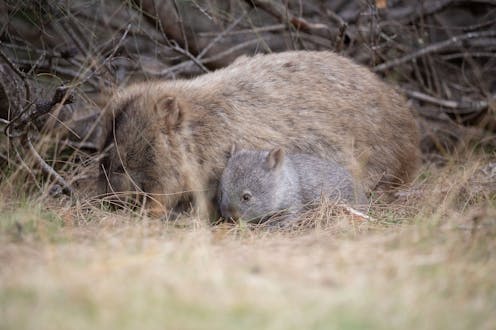
It was hard to watch. In a now-deleted Instagram reel, American influencer Sam Jones is filmed picking up a young wombat, separating it from its mother, and running with it back to the car for a pose. In the background, the distressed mother tries to follow. At one point, Jones says: “Momma’s right there and she’s pissed. Let’s let him go.”
We have spent our careers working with wildlife. Seeing a joey separated from her mother for social media content was unsettling. The encounter will have made stress levels soar for the baby and mother.
Unfortunately, we are seeing a rise in people directly interacting with wildlife through feeding them or taking risks to get close to them, often driven by the pursuit of social media attention. These interactions can hurt wildlife in many different ways.
While there’s a natural tendency to want to connect with wildlife, wild animals often see humans as a threat. When we get too close, we can trigger fear responses such as increased heart rates and heightened stress hormones. Indeed, the consequences of interfering with wildlife can be far-reaching.
Jones was lucky not to have been injured – wombats weigh up to 40 kilograms and have teeth and claws they can use for defence. She could still come down with scabies – wombats often have mange, caused by the parasitic mite which gives us scabies.
Others have been less lucky. People feeding dingoes on K'Gari has brought these wild canines closer to people, leading to attacks. In response, authorities have occasionally opted to kill dingoes.
Official approvals are required to capture and handle wildlife. Engaging in these activities without the necessary permits is typically illegal. These regulations are to safeguard wildlife from harm and protect humans as well.
Instagram clip shows US influencer Sam Jones picking up a baby wombat.What was wrong with the influencer’s behaviour?
What many people found difficult to see in the clip was the clear distress seen in both joey and mother.
Wombat joeys are fully dependent on their mothers for between 18 months and two years – one of the longest periods for any marsupial. Interfering with this bond stresses both animals.
The incident also took place on a road, increasing their risk of being hit by a vehicle – one of the biggest threats to wombats.
Wildlife are exactly that – wild life. When we interact with wild creatures, we interrupt what they are doing. This can harm the individual – and often, the group – by inducing physical or psychological stress, and changes in behaviour.
We want to connect – but it’s bad for the animals
Many of us draw a mental line between our pets and wild animals. Our cats and dogs jump up for a pat and seek our affection. Wouldn’t wild creatures enjoy the same thing?
It took thousands of years to domesticate dogs, cats and other animals. Wild animals, on the other hand, perceive us very differently – often as a potential threat.
When we feed wildlife food they are not used to, it can make them sick, or contribute to long term metabolic issues.
Visitors often feed chips to quokkas on Rottnest Island, but these salty snacks can sicken the animals, which should be eating grasses, stems and leaves.
Tourists flock to areas with wild kangaroos and often offer them food. But as they become used to our presence, they can still lash out. People have been injured, some badly.

Touching animals comes with risks, from being scratched by koalas to being bitten by snakes. When a US wildlife expert was filmed touching a huge great white shark off Hawaii, dozens of people tried to follow suit – despite the risks.
Then there’s the disease risk. Wombats suffer from sarcoptic mange, while other marsupials may have toxoplasmosis, which can trigger miscarriages and neurological issues. Handling wild birds can give us the dangerous disease psittacosis.
If you don’t have a permit, you should stay at a safe distance and watch the animal. The goal is to avoid interfering, and respect the animal’s autonomy and what it’s trying to do, whether that’s finding food, finding a mate, sleeping, or just lounging about.
Are more people trying to interact with animals?
After the COVID pandemic, many of us have been seeking outdoor experiences. Camping is on the rise, as is ecotourism.
At the same time, some influencers are trying to interact with wildlife, perhaps mimicking famous figures such as the late Steve Irwin. Irwin’s father, Bob, recently called for harsher penalties for influencers entering crocodile territory after many close calls.
Watching trained wildlife handlers can give us false confidence. We might think: if they do it, why can’t I?

The problem is, wildlife handling is risky. Bites are common, even for trained experts. When we undertake wildlife research, we use gloves, cages, hoods and so on to reduce the risk to us and the stress to the animal.
Wildlife carers who take on the role of rearing wombat joeys have to be well trained – and dedicated. Joeys need to be fed special milk suited to marsupials – cow’s milk is no good. They have to be fed round the clock in the early months.
In many cases we are aware of, untrained individuals have attempted to rescue wombats or kangaroo joeys only to discover they can’t meet their specific care needs. Unfortunately, this often results in the joeys being abandoned or handed over to wildlife carers in poor condition.
This doesn’t mean that interactions with animals are off-limits. Zoos and wildlife sanctuaries provide opportunities to handle captive animals under expert supervision. Volunteering with wildlife carers or training to become a carer are viable ways to engage with animals responsibly.
Influencers don’t have to grab an animal from the wild to show how amazing it is. You can show natural behaviour by following an animal from a safe distance or use existing footage.
If you can’t captivate an audience with the wonders of wildlife without harassing a wild animal, then perhaps it’s time to rethink and refine your social media strategy.
When we are out in the bush, it’s natural to be fascinated by the presence of wild creatures. But we must find ways of building our connection with nature without harming what we see – and without risking harm to ourselves.


