

Warm-ups, layered clothes, recovery: 4 tips to exercise safely in the cold
- Written by The Conversation
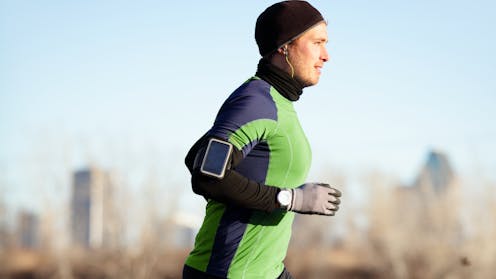
Temperatures have dropped in many parts of Australia which means runners, cyclists, rowers, hikers, or anyone physically active outside need to take extra precautions to stay safe and exercise in relative comfort.
Cold environments can also include high winds and water exposure, which present unique physiological, psychological and logistical challenges that can turn people off exercising.
While exercising in the cold does not typically increase injury risk, certain conditions can lead to a drop in whole body temperature (hypothermia) and impaired exercise performance.
One advantage to exercising in the cold is that it often feels easier, since the body perceives lower exertion levels compared to performing the same task in hot environments.
While it’s sometimes tempting to rug up and stay indoors when temperatures plummet, here are some tips for exercising in cold conditions.
1. Wear layers
Start exercising in a slightly chilled state (if you’re warm when you begin, take a layer off).
Strip down one layer as you warm up to avoid overheating and excessive sweating, which can lead to chilling later as you cool down.
Clothing recommendations include:
- inner (base) layer: wear a lightweight, moisture-wicking fabric (such as polyester) as a base layer to keep sweat away from your skin
- middle (insulating) layer: add a fleece or thermal layer if temperatures are close to freezing
- outer layer: a windproof, water-resistant jacket is essential in wet, windy or snowy conditions
- additional considerations: for hands and feet, wear gloves and opt for polyester socks. A beanie or headband is great for the head and ears because you lose a significant amount of heat from your head.
2. Warming up is crucial
In cold conditions, your muscles may take longer to warm up and may be at a greater risk of injury due to reduced blood flow (vasoconstriction), reduced flexibility and slower reaction times.
Spend about ten minutes (perhaps indoors) performing a structured warm-up. This should include dynamic stretches and exercises such as push-ups, leg swings, lunges, calf raises, squats and high knees before heading out.
This will help enhance blood flow, increase tissue temperature and improve your joints’ range of motion.
No matter what exercise type you choose, start slowly and gradually progress your intensity.
3. Be aware of the risks
Depending on the mode of activity, outdoor exercise can be riskier during winter due to slippery surfaces and reduced visibility.
If you are walking or running, shorten your steps and stride length when it’s wet to maintain control and prevent slips and falls.
If you are cycling, avoid sharp turns or sudden stops. Stick to well-lit areas and paths and try to exercise during daylight hours if possible.
Also, consider wearing bright or reflective clothing at night or in foggy conditions.
4. The importance of recovery
Spend a few minutes at the end of your workout for active recovery (walking and stretching) which helps prevent blood pooling and inflammation in the feet, while bringing the body’s systems back to homeostasis (resting breathing and heart rate).
When it’s extremely cold, get indoors immediately because your body temperature drops fast once you stop moving.
Change out of any damp clothes and have a warm shower or bath as soon as possible to help regulate body temperature and prevent hypothermia. Be aware of signs of hypothermia, which include shivering, slurred speech, cold pale skin and poor coordination, among others.
Other tips to consider
If it’s nearing or below 0°C with wind chill or rain or snow, perhaps opt for an indoor mode of exercise such as treadmill running, stationary cycling or cross-training to avoid unnecessary risks such as hypothermia, non-freezing cold injuries (such as trenchfoot) or freezing cold injuries (frostbite).
To ensure adequate hydration, it is recommended to consume about 500ml of fluid two hours before exercise and to continue to drink during and after exercising.
If you do brave the cold to exercise outside, is still advisable to wear sunscreen (SPF 30 or higher) on exposed skin during the day, since ultra violet radiation can still pass through clouds and is not related to temperature.
Overall, exercise in the cold can be safe and enjoyable with the right precautions and planning.


