

NZ men get sick or injured more and die sooner than women – a targeted health policy is long overdue
- Written by The Conversation
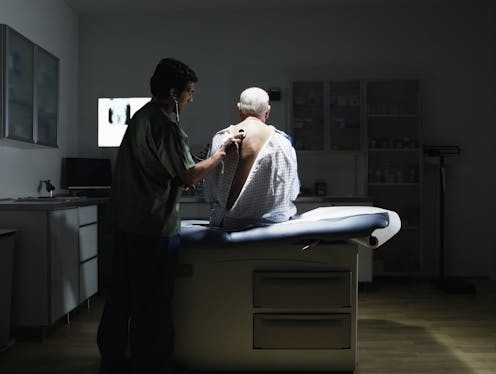
Successive New Zealand governments have failed to develop a policy or strategy focused on men’s health, falling behind countries like Mongolia, Australia, Ireland, Iran, Malaysia, South Africa, Brazil and the state of Quebec.
The consequences of this failure for New Zealand men are dire, with research showing men falling behind women in terms of access to health care, diagnoses and overall life expectancy.
The picture is even more bleak for Māori and Pacific men.
This week is Men’s Health Week – a good time to consider how New Zealand men might be better served by a targeted health policy and how this might benefit the country as a whole.
Male inequalities in health
In New Zealand there are significant differences in poor health and life expectancy between men and women, between men of different ethnicities and those who are gender diverse.
Women outlive men by four years, and for men aged between 50 and 75 years the death rate is 30% higher than for women. The life expectancy for Māori and Pacific men is between seven and five years less than other men.
Additionally, men are more likely to live with an illness or injury and, as a result, die prematurely.
These health inequalities were highlighted during the COVID-19 pandemic, with men contracting COVID at higher rates, experiencing more severe symptoms and being more likely to die.
In New Zealand, there is also a stark disparity between male and female deaths by suicide. In 2018, 446 men died by suicide, compared to 177 women.
For men, this grim statistic is not just youth related – older men are also at high risk. And men with disabilities report higher rates of suicidal ideation than non-disabled men.
Read more: Sometimes it's hard to be a man
Gender diverse research is in its infancy, but recent research shows trans men are more likely to report psychological distress than trans women.
Biological sex differences alone, however, can’t explain men’s higher risk of premature death and poorer overall health status. These outcomes are irrefutably linked to cultural and socioeconomic factors.
What stops men going to the doctor?
Many men are reluctant to seek care and support from the health system, arguably because it is not structured around their needs.
Primary care services are generally only open at times men are at work, and the feminine atmosphere of many waiting areas reinforces the perspective that health is women’s work.
Generally, men only think about their health if an issue prevents them from undertaking an important practical aspect of their lives – be that sport, playing with their children or doing their job.
Read more: Building healthy relationship skills supports men's mental health
Consequently, they are unlikely to seek help unless their functional ability is affected.
Ultimately, this means men are seeking help for health problems much later, resulting in higher levels of potentially preventable health issues, reduced treatment options and greater use of more expensive hospital services.
Sadly, men are also at higher risk of being fatally injured through their occupation. Between 2005-2014, 955 workers were fatally injured, of which 89% were men.
Unfortunately, the lifestyle choices of men, including smoking, poor diet, unsafe alcohol consumption and the abuse of other substances, frequently have negative consequences on their health and well-being. While these lifestyle behaviours can be linked to perceptions of what it means to be a man, these choices are by and large modifiable.
An effective men’s health policy would explicitly recognise that health promotion programmes need to be designed specifically for men.
Where policy can help
Globally, there are a number of gender-specific health promoting programmes that have proved their usefulness in relation to men’s health.
The Rugby Fans in Training healthy lifestyle programme, resulted in changes to men’s physical activity levels and diet, leading to weight loss.
The male-focused Farmers Have Hearts cardiovascular health programme in Ireland resulted in improved outcomes for farmers, with over 80% successfully making some form of lifestyle behaviour change.
Research on the “Men’s Shed” movement has shown its ability to foster a sense of community, nurture a sense of belonging and reduce the negative health impacts of loneliness.
While some successful initiatives and programmes that target men are currently established in New Zealand, a cohesive approach is lacking despite mounting national and international evidence that gender specific initiatives are effective.
Focusing on men’s health doesn’t have to come at the cost of women’s health initiatives and it is commendable the government has committed to a women’s health strategy as part of the Pae Ora (Health Futures) Bill.
However, men’s health musn’t be forgotten.
The government also needs to implement a men’s health policy that facilitates a cohesive, equitable approach, enabling men to enhance their lives, not only for their benefit but also the benefit of their families, communities and for society as a whole.


