

If you're renting, chances are your home is cold. With power prices soaring, here's what you can do to keep warm
- Written by The Conversation
If you’re feeling the cold this winter, you’re not alone. About a quarter of all Australians have trouble keeping their homes warm enough in winter. That figure is likely to soar this year, due to poor quality housing and the rapidly escalating energy crisis.
Renters are particularly at risk, but our research has shown many home owners are in the same boat as well. We’ve collected data over the last few years on how many Australians have cold homes, find it difficult to stay warm, and can’t afford their heating bills.
What counts as cold? The World Health Organization recommends a minimum home temperature of 18℃ for health and wellbeing. About a fifth of Australian renters, for example, have cold homes. Our current research has shown this applies to home owners as well, with 26% of people across all housing types unable to stay warm at least half of the time during winter.
Australia’s energy crisis is likely to see soaring rates of energy poverty, meaning being unable to keep your home warm or cool enough. Here’s why this is such a problem – and what you can do about it.
Cold homes affect our health
If you’re cold at home, you have a higher risk of developing respiratory problems and high blood pressure. People in the coldest homes face a higher risk of dying in winter. Cold can have a flow-on impact on our health system, which is already struggling.
Australia’s south-east has had the coldest start to winter in decades. Melbourne hasn’t been this cold this early since 1949, while Sydney hasn’t seen these temperatures in early June since 1989.
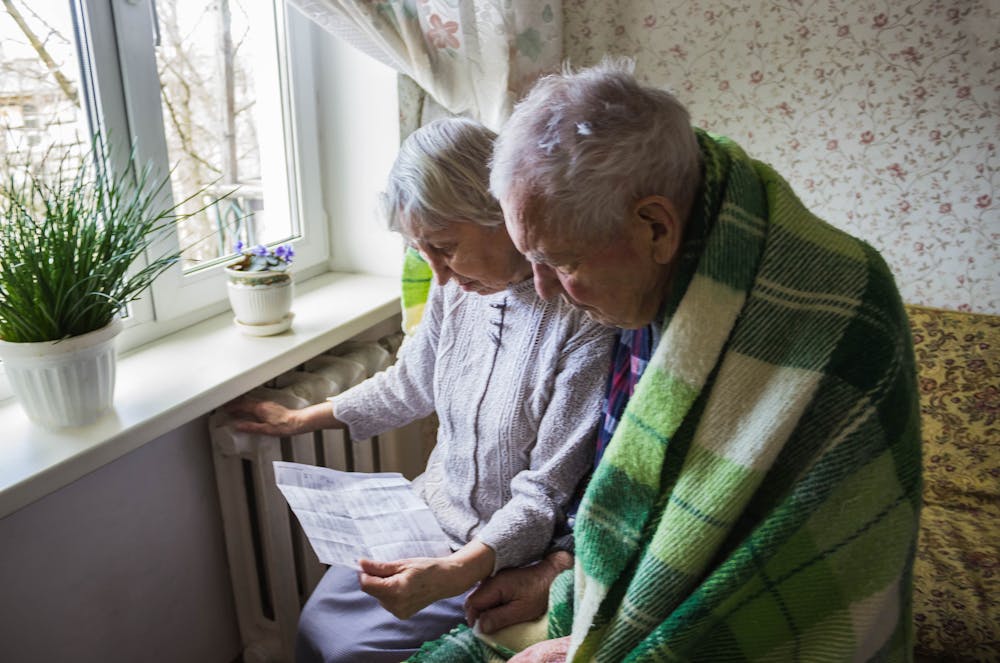
Double trouble: cold weather and the energy crisis
If you’ve been hit by the recent cold snap, chances are you’ll have been reminded how cold your home can get. This is not a surprise given how badly existing homes and new housing perform in keeping an even temperature.
The cold has made many people doubly worried, because the energy required to heat our leaky, poorly insulated homes is about to get very expensive.
Early results from our survey of over 350 Australians found 25% of people were experiencing shortages of money to the point they will be unable to adequately heat their homes. One third of our respondents said energy was unaffordable. Some reported making trade-offs, such as skimping on food or healthcare to pay energy bills.
These people are experiencing energy poverty, where a household is unable to properly heat or cool their home or face significant financial difficulty doing so.
While data about energy poverty in Australia is patchy, we know around 180,000 households in Victoria had persistent bill payment issues as of 2018, and 45,000 households were consistently unable to heat their homes.
Energy price increases hit lower income households hardest
Lower income households are more at risk from the cold. That’s because they’re more likely to live in homes that are in poor condition and hard to heat. One quarter of low income households told us they struggle to stay warm. Insulation may be a key factor, with 25% of our respondents reporting their rental properties did not have insulation.
Insulation matters, because heat escapes homes through single-pane windows, or poorly insulated walls and ceilings. As a result, poorly insulated homes cost more to heat.
This makes life harder for low income renters, given they have little control over insulation or other home modifications. Worse still, heaters that are cheap to buy are often the most expensive to run.
While an efficient reverse cycle air conditioner would save money and heat the space better over the longer term, it is often difficult for renters to negotiate installation with property managers or landlords – especially given the intense competition for rentals at present in many cities. That can mean renters will suffer in silence, unwilling to ask for something that will make their lives better.
 Efficient reverse cycle air conditioners can be the cheapest form of heating. But renters face challenges in getting landlords to install them.
Shutterstock
Efficient reverse cycle air conditioners can be the cheapest form of heating. But renters face challenges in getting landlords to install them.
Shutterstock
What can renters do?
Low income renters face real threats from energy poverty this year. While we need systemic change to improve the outlook for Australia’s renters, there are low-cost DIY ways to improve how your house retains heat this winter.
The first step: check your current heating appliances are working efficiently. Many people don’t clean the filters on their reverse cycle air conditioners. This makes them less efficient, and can drive up energy bills.
Poorly sealed windows and doors make it hard to stay warm.
Using thermal curtains, and keeping them closed makes a big difference. Putting a piece of plywood or even a scarf between the curtain rail and the wall to make a DIY pelmet also helps keep the heat in. If you have single glazed windows, consider window films as a way to improve performance for a fraction of the cost of double glazed windows.
Sealing the cracks around windows, under doors and around the wider home is also important. Silicon or expanding foam can be used for gaps and cracks. Draughts under doors can be stopped with door seals or door snakes.
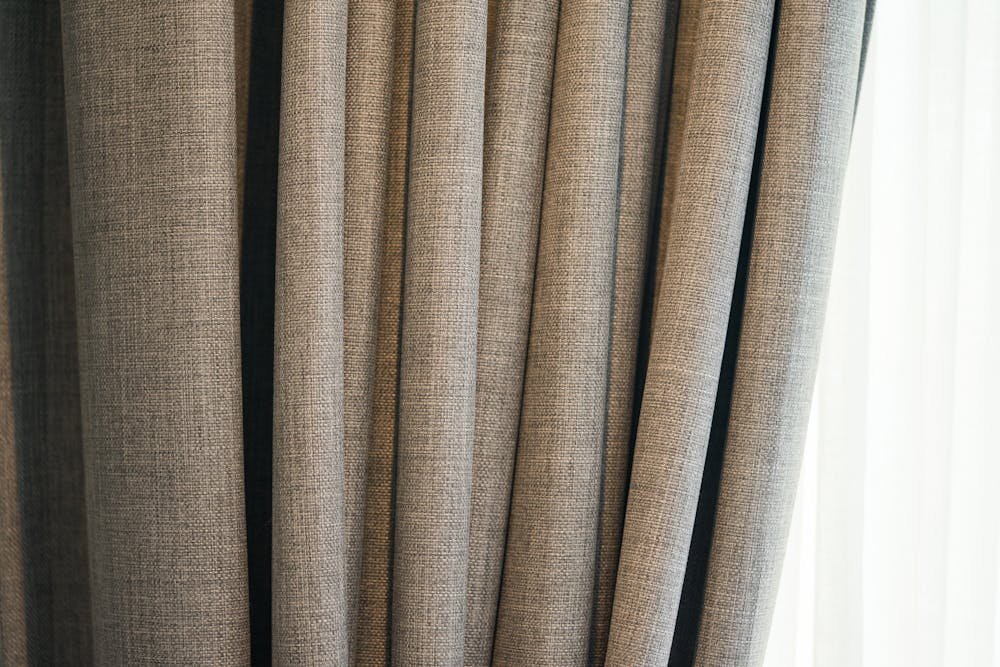 Thick curtains, DIY pelmets and door snakes are cheap ways to make your home keep its heat.
Shutterstock
Thick curtains, DIY pelmets and door snakes are cheap ways to make your home keep its heat.
Shutterstock
Read more: 10 ways to keep your house warm (and save money) this winter
Close the doors to your bathroom, laundry and other rooms not in use to keep the heat where you need it most. Hanging a blanket over a doorway can also be a cheap way to seal off a room and concentrate heat.
It’s also worth checking what rebates and concessions your state government or council is offering. These might include energy efficiency improvements or extra help with heating costs. If you’re renting, your home must meet minimum standards, so make sure you check what you are entitled to as these vary by state.
Everyone deserves a warm home. Our health and well-being depend on it. Building new, energy efficient homes is only part of the answer. We also have to make our 10.8 million existing dwellings warmer.


