

Your phone is covered in germs: a tech expert explains how to clean it without doing damage
- Written by The Conversation
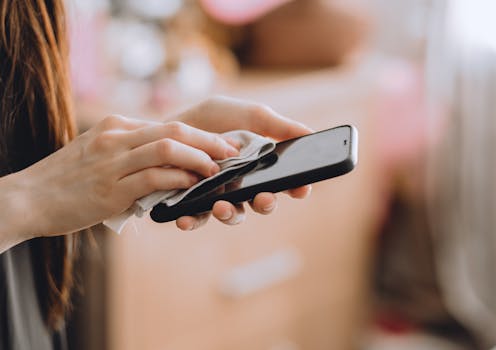
We wash our hands, sanitise shopping trolleys and wipe down cafe tables. But what about our phones? We touch these devices dozens of times a day, and take them everywhere from the kitchen to the dining table, and even the bathroom.
Phones can be contaminated with many kinds of potential germs. When was the last time you wiped down yours – and with what?
If you use the wrong cleaning agents or tools, you could strip your phone’s protective coatings, degrade waterproof seals, or even affect its touch sensitivity.
Do phones really need cleaning?
Touchscreens get covered in fingerprints and smudges, so there are aesthetic and functional reasons to wipe down your screen.
Another reason comes down to potential health concerns. Whenever mobile phones are swabbed for microorganisms, scientists inevitably find hundreds of species of bacteria and viruses.
While not all of these cause sickness, the potential for transmission is there. We use phones while in the bathroom and then put them near our mouths, touch them while eating, and pass them between people in meetings, cafes, parties and classrooms.
Unlike hands, which can be washed many times a day, phones are rarely cleaned properly – if at all.
If you do want to sanitise your phone, it’s also important to not damage it in the process.
Some cleaning products will damage your phone
You might think a quick swipe with a household cleaner or hand sanitiser is a clever shortcut to keeping your phone clean. However, many of these products can actually degrade your device’s surface and internal components over time.
For example, both Apple and Samsung advise against using bleach, hydrogen peroxide, vinegar, aerosol sprays, window cleaners or high-concentration alcohol wipes (above 70%) on their devices.
Most smartphones are coated with an oleophobic layer – a thin film that helps resist fingerprints and smudges. Harsh chemicals such as alcohols, acetone or ammonia-based cleaners can strip this coating, making your screen more vulnerable to smudging, and diminished touch responsiveness.
Vinegar, a common DIY disinfectant, can corrode aluminium or plastic edges due to its high acidity. Bleach and hydrogen peroxide, though highly effective as disinfectants, are also too aggressive for the delicate materials used in consumer electronics.
High-alcohol content wipes may dry out plastics and make them brittle with repeated use.
In short: if the cleaner is tough enough to disinfect your kitchen bench, it is probably too harsh for your phone.

How should I clean my phone then?
The good news is that cleaning your phone properly is simple and inexpensive. You just need to follow the guidelines backed by major manufacturers. You should also unplug and remove any protective cases or accessories when cleaning your phone.
Most tech companies recommend using 70% isopropyl alcohol wipes (not higher), soft microfibre cloths, and anti-static soft-bristled brushes made of nylon, horsehair or goat hair to clean delicate areas like speaker grills and charging ports.
During the COVID pandemic, Apple revised its cleaning guidelines to permit the use of Clorox disinfecting wipes and 70% isopropyl alcohol on iPhones, provided they are used gently to avoid damaging screen coatings or allowing moisture to seep into the device.
Samsung offers similar advice, recommending users wipe down their phones with a microfibre cloth lightly dampened with a 70% alcohol solution, while steering clear of direct application to ports and openings.
Prevent accidental damage when using these tips
Never spray liquid directly onto the phone, as moisture can seep into ports and internal components, leading to short circuits or corrosion.
Submerging your phone in any cleaning solution is also risky, even for water-resistant models: the seals that prevent water from getting in, such as rubber gaskets, adhesives, nano-coatings and silicone layers, can degrade over time.
Avoid using paper towels, tissues, or rough cloths which may leave scratches on the screen or shed lint that clogs openings.
Finally, be cautious about over-cleaning. Excessive wiping or scrubbing can wear down protective coatings, making your phone more susceptible to fingerprints, smudges, and long-term surface damage.
How often should I clean my phone?
While there is no strict rule for how often you should clean your phone, giving it a proper wipe-down at least once a week under normal use would make sense.
If you regularly take your phone into high-risk environments such as public transport, hospitals, gyms, or bathrooms it is wise to clean it more frequently.
If you’re serious about hygiene, cleaning not just your hands but one of the things you touch most every single day makes sense.
Doing it wrong can slowly damage your device. But doing it right is simple, affordable, and doesn’t take much time.


