

It’s (not) a new bike! How to manage kids’ gift expectations at Christmas
- Written by The Conversation
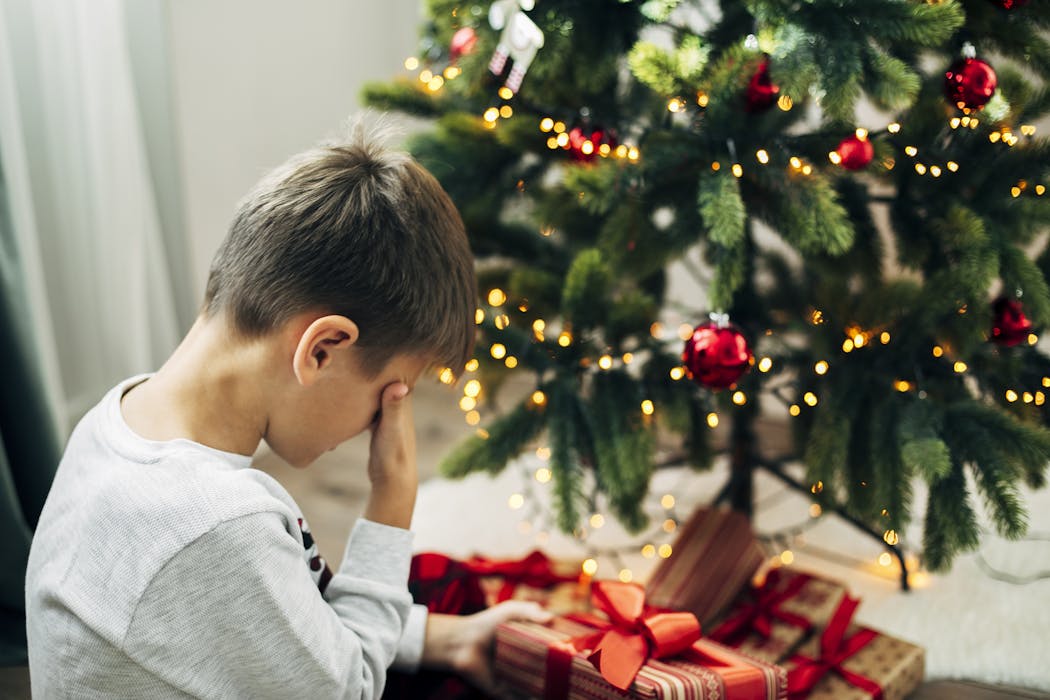
Holiday celebrations involving gift giving can be roller coasters. The excitement of tearing into gifts is often mixed with intense anticipation – and sometimes, disappointment.
After investing time, thought and money into creating a magical day, it can feel confronting when your child reacts negatively to a present. If it’s a gift you’ve chosen, you might feel hurt or frustrated. When it’s from a relative or friend, embarrassment can creep in, as you’re caught between wanting to acknowledge your child’s feelings, and worrying about offending the giver.
You might wonder whether you’ve failed to teach gratitude, or worry your child seems spoiled. But disappointment is difficult for children and a normal part of emotional development. Your child’s feelings at this time can also be an opportunity for connection and learning.
Why expectations run so high
Special occasions amplify everything: joy, excitement, anticipation … and comparison. Children are surrounded by holiday advertising and talk among friends, which can make their own wishes feel especially vivid and urgent.
But this isn’t simply about materialism.
Developmental stages shape how children experience gifts. In early and middle childhood, kids are actively forming their sense of self — who they are, what they like, and how they fit into their world. Particular toys, clothes, or brands can take on symbolic meaning, tied to how they see themselves or where they feel they belong.
Wanting the same shoes, toy or gadget as friends can feel like a ticket to connection. This is a completely normal, healthy developmental drive. When that wish isn’t fulfilled, the sense of missing out can feel like being left out altogether.
Understanding this helps explain why children’s reactions can sometimes seem disproportionate to us as adults: their disappointment isn’t just about the object itself, but about identity and belonging, and the strong emotions that come with both.
When children’s expectations for a gift are not met, dopamine levels drop, leading to feelings of disappointment. This process is a normal part of learning and developing self-regulation skills. This disappointment teaches children to manage when they don’t get what they’re hoping for, helping them develop realistic expectations and cope with life’s inevitable frustrations.
Talk before the big day
Early, gentle conversations can make a difference. This gives parents a chance to spot when expectations are being shaped by peer pressure, advertising, or trends that might not align with their child’s age or your family values.
For example, your child might ask for a video game that isn’t age appropriate, or a preschooler might suddenly want makeup because friends are talking about it. Rather than waiting for disappointment, it helps to discuss these things ahead of time.
Discussions are a chance to share family values: what you believe is important, how you choose to spend money and time, and what childhood looks like in your household. Sometimes they reveal unspoken assumptions on both sides: what you expect of your child, and what they imagine is possible.
Some families set clear expectations about gifts. For example, buying according to a four gift rule (something they want, something they need, something to wear and something to read).
The key is to approach discussions with warmth and curiosity, not judgement:
What are you hoping for this year?
What do you think might be realistic?
Sometimes we hope for big things and don’t get them. How might that feel?
When disappointment strikes
Managing disappointment is difficult for children. If your child reacts with disappointment, avoid shaming or scolding them with “you should be grateful”.
Children need to process their emotions first. When we’re upset, we can’t think about others.
You could could say:
You were really hoping for that bike. It’s hard when you want something so much and it doesn’t happen.
When you validate disappointment it helps children feel safe to express big feelings. It also helps develop the ability to tolerate feelings of distress and disappointment and learn emotions are manageable.
While it’s OK for children to feel disappointed, it’s not okay for them to be rude or lash out. Once calm, revisit what happened gently:
I know you were disappointed. Let’s talk about how we can show our feelings without hurting others.
Building gratitude over time
Gratitude can’t be forced. It grows from connection to others and experiences, not constant correction from adults. You can model this by noticing small acts of thoughtfulness. For example,
Did you notice how Aunty Jen wrapped the gift in your favourite colour?
Express appreciation for family time and emphasise the joy of shared experiences. For example,
It’s so special to see all your cousins playing together.
Also encourage children to choose or make gifts for others, wrap presents or plan family surprises.
When children experience being the giver, they develop empathy and begin to understand the thought and effort that goes into choosing gifts.


