

I’m a drowning prevention researcher – my kid’s school swimming carnival shocked me
- Written by The Conversation
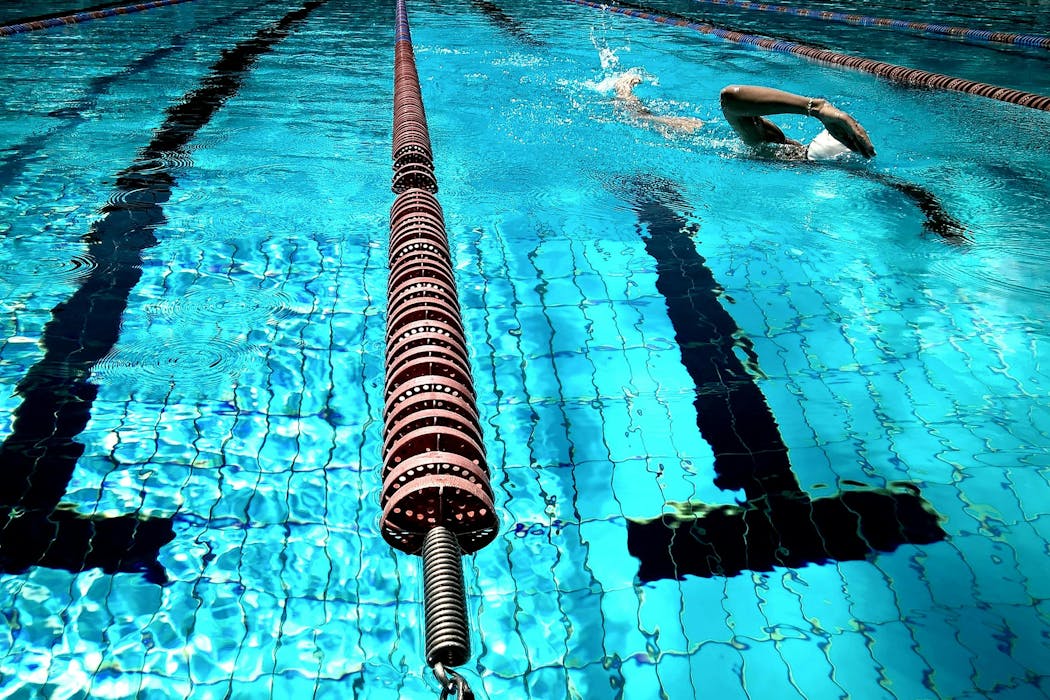
It is swimming carnival season in Australia. This typically means children from about Year 2 and up are asked to swim a distance of 50 metres or one length of an Olympic-size pool – if they say they can.
As a parent of primary school kids, I recently went to my child’s carnival to show my support.
As a drowning prevention researcher, I was already well aware of the dire state of children’s swimming abilities – and so wasn’t expecting all children to be able to compete. But I was shocked to see numerous rescues during the day. This is where children are unable to finish events and need help to get out of the pool.
What is going on?
A drop in swimming ability
We know swimming ability is declining in Australia.
One in four schools no longer holds a swimming carnival at all, citing low swimming skills at the main reason. When they run carnivals, teachers estimate 50% of eligible children do not participate.
In a 2025 report, surveyed teachers told Royal Life Saving Australia almost half of Year 6 students cannot swim 50m and tread water for two minutes – the minimum water safety requirements for their age.
Parents reported 46% of children aged 11–12 (years 5 and 6) can’t swim 50m. An estimated 46% of children aged 7–14 do not have the minimum safety skills set for children aged 6.
Teacher survey responses identified about 31% of schools no longer offer swimming skills programs due to cost, resourcing and time. Parents report similar barriers to enrolling their children in private swimming lessons.
Are parents overestimating ability?
But the rescues at our school carnival led me to wonder whether there was something else at play.
At my child’s school, parents were asked to assess their child’s swimming ability on the carnival permission note. The information was used for lane allocation with weaker swimmers to race in outer lanes, closer to lifeguards.
So perhaps some parents were overly optimistic about how well their child can swim. Research shows parents often overestimate their child’s swimming ability and therefore underestimate their drowning risk.
But in defence of parents, children rarely have the opportunity to swim 50m, non-stop. Lessons are often held in smaller, learn-to-swim pools or those that are only 25m in length.
For residents in country areas with seasonal pools (like my home town), their outdoor 50m pools are also closed for half the year.
What can parents do?
So, as a country that’s supposed to be a “nation of swimmers” with a strong lifesaving history, how can we counter this decline and avoid children needing to be rescued at their carnivals?
Encourage parents to prioritise swimming lessons over other sports wherever possible. This recognises learning to swim is a non-negotiable life skill that both reduces drowning risk as well as opens up the joys of swimming for fitness and fun. Even if your child is in high school and you’ve let swimming lessons slide, it is not too late for them to learn and improve.
Check your child’s ability against the national standards. If you’re not sure their ability is where it should be for their age, consider some top-up lessons or a holiday intensive program.
Observe how your children are doing in swimming lessons. Ask for feedback from their teachers. Where are they up to in terms of water safety?
Get in the water with your child, preferably at a 50m pool. Swim alongside them and see how they go at completing a length non-stop. Explain what to do if they feel like they can’t make it, either practising floating on their back or holding onto a lane rope.
This is vital
We don’t want the swimming carnival to disappear forever.
Nor do we want it to be just for the top swimmers. My kid’s swimming carnival was described as being for “competitive swimmers only”, which is part of a growing trend among schools.
Amid record drowning deaths in Australia, and during a summer when 79 people have lost their lives to drowning, ensuring our kids know how to swim safely has never been more important.


