

In the next pandemic, NZ doesn’t need to choose between health and the economy
- Written by The Conversation
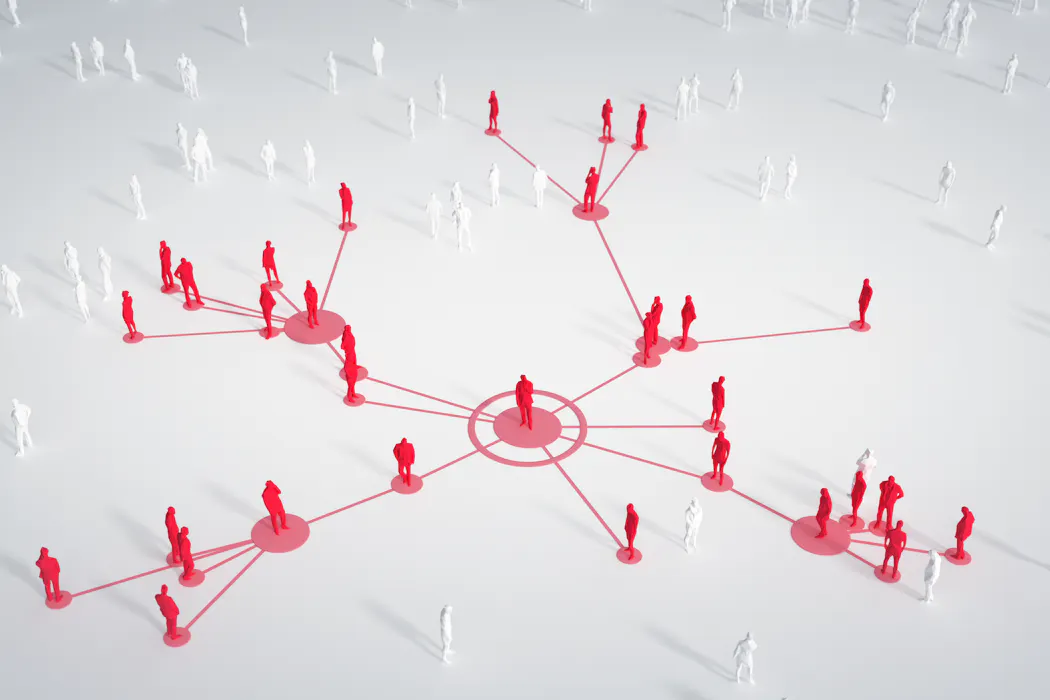
This time six years ago, as officials prepared to move New Zealand into lockdown, the public was suddenly introduced to the complex and somewhat bewildering world of pandemic modelling.
These highly mathematical models mapped out how COVID-19 might spread, projecting potential infections, hospitalisations and deaths in stark scenarios, sometimes making for alarming news headlines.
But the models told us much less about the wider economic and social consequences of the decisions being made in those crisis weeks and months.
As the recently released Phase Two report of the Royal Commission on COVID-19 concluded, New Zealand’s pandemic response was ultimately effective.
Yet it also acknowledged the significant social and economic impacts of both the virus and the response – including strains on trust and social cohesion – and singled out areas for improvement.
That included the need for better modelling, data and frameworks to help decision-makers weigh those society-wide impacts more effectively.
Notably, the inquiry recommended a new strategic function – based in either the Treasury or the Department of the Prime Minister and Cabinet – to help guide New Zealand through the next pandemic.
It might be asked how such a function could sit outside the Ministry of Health, which was central to the initial COVID-19 response.
But in these emergencies, decision-makers shouldn’t be choosing between health and the economy. Pandemics affect both – and understanding the full impacts requires all perspectives.
If the inquiry made one thing resoundingly clear, it is that in the next pandemic – and there will be one – leaders must be able to make faster, better informed calls.
So, what if, next time, New Zealand had the modelling tools it needed to weigh up all the potential impacts at once?
A new pandemic model?
The British statistician George Box famously said that “all models are wrong, but some are useful”.
In essence, models may never perfectly capture the complexities of the real world, but they remain valuable tools for decision-making and prediction.
Pandemic responses are largely informed by epidemiological models, which help us understand how disease spreads through populations, and which simulate the impact of different control measures. But they also have limitations, including the difficulty of capturing human behaviour.
During COVID-19 and earlier events, these models were typically developed separately from economic modelling, each serving distinct purposes. Increasingly, however, there is recognition that integrating these approaches can provide a more complete picture.
Reflecting this shift, the UK-based Institute for Government has examined the benefits and challenges of so-called “epi-econ” models, which combine epidemiological and economic analysis.
Rather than simply assessing cost-effectiveness, these more sophisticated models aim to capture both the public health and broader economic impacts of policies such as lockdowns, border closures, vaccination programmes and wage subsidies.
They can simulate how such measures may affect infections, hospitalisations and deaths, as well as their possible impacts on inflation, employment and economic growth.
Read more: Second COVID inquiry: why being politically prepared for the next pandemic is crucial
They can also take both short and long-term perspectives, capturing the complex, dynamic interactions between public health crises, the interventions used to manage them and their broader macroeconomic consequences.
Such modelling can take several forms. Computable general equilibrium (CGE) models, for instance, simulate how households, firms, government and markets interact across the economy.
They have been recently used to assess the impacts of tariffs introduced by US President Donald Trump; earlier, they helped New Zealand’s government model the economic impacts of fuel outage scenarios.
To be useful in a pandemic, however, these models need to be “dynamic” – or able to track how conditions and intersections within the model evolve over time rather than offering a static snapshot.
Dynamic CGE models have been used to assess impacts on sectors such as food security and tourism, as well as wider economic effects across countries.
They are increasingly incorporating factors such as behaviour and resilience, helping understand the impacts of businesses closing and reopening, how illness affects the workforce, and how fiscal stimulus can assist recovery.
Building better tools for the next crisis
The COVID-19 response showed us that when epidemiological and economic models are developed separately – and often with different assumptions – decision-makers are left weighing conflicting advice.
An integrated epi-econ approach makes those trade-offs explicit and better informs the choices policymakers must make.
They can also reveal hidden non-linear effects – for example, how shutting non-essential activity can ripple through to workers in essential services. They can incorporate feedback loops too, showing how economic support measures during downturns might influence the spread of infections.
In the UK, early pandemic policies showed how such incentives could unintentionally accelerate spread.
Importantly, the inquiry also recommended that future governments ensure greater transparency and communication around decisions, including the science and evidence underpinning them.
The UK Institute for Government argues that combined epi-econ models should be accessible across ministries and departments, ensuring decision-makers are working from a shared evidence base.
Risk and uncertainty are inherent in these models. If New Zealand adopts them, ministers need to be able to understand the models’ inbuilt uncertainties and clearly communicate these to the public.
The Ministry of Health is leading the response to the Royal Commission’s final report and will advise the government on how to act on its recommendations.
In doing so, there is an opportunity to look beyond traditional epidemiological models and consider the added value of integrated approaches.
New Zealand will need stronger collaboration across government, academia and industry so that when the next crisis comes decisions are better informed from the outset.


