

When AI starts shopping for you, fashion may be entering a new era of pricing
- Written by The Conversation
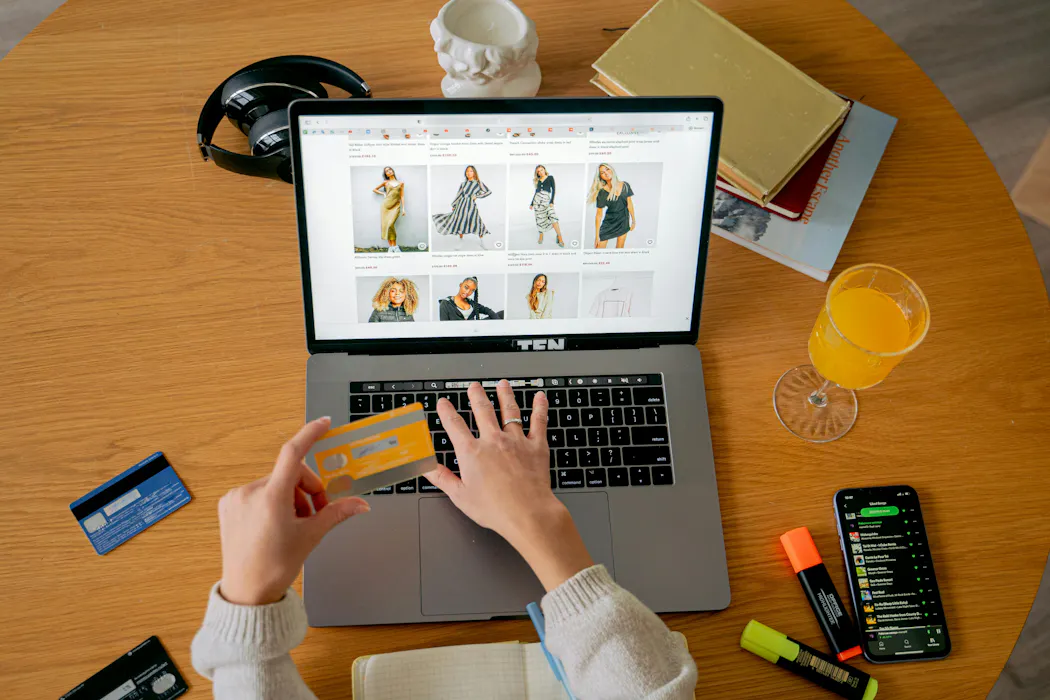
Fashion has always been a bit different to other industries. Consumers do not just buy because they need something. They buy because they are bored, influenced or simply browsing.
That makes it a perfect space for technologies designed to shape how we shop. Fashion sales are driven by cyclical trends and volume.
Much of the industry depends on overproduction, followed by constant cycles of discounting to clear stock. Sales are not just occasional events. They are built into how the system operates.
And now, a new layer of AI technology is starting to turbocharge that system.
Pricing is already starting to change
Dynamic pricing has been around for years. We see it most clearly with flights and ride sharing, where prices often increase the more you search, especially when there is a clear intention to pay for the service.
But in fashion, demand is not always tied to necessity. Because of this, pricing does not just reward urgency. It can also reward patience.
This suggests that dynamic pricing in fashion is not simply about pushing prices up. It is about constantly adjusting them to keep products moving.
A recent report from Business Insider in the United States shows how dynamic pricing is already taking hold in fashion retail. Prices of items sitting in an online cart at a major clothing retailer changed multiple times over a few days. Sometimes they went up, sometimes they dropped. In some instances, waiting resulted in a discount of up to 17%.
As this becomes more common, shopping will feel less like a simple decision and more like timing a system.
In Australia, the consumer watchdog does not consider dynamic pricing inherently unlawful. Broader data-use guidelines around pricing are not yet comprehensive.
When the bot does the shopping
At first glance, new AI tools for online shopping seem focused on convenience.
Virtual try-ons are becoming more realistic, allowing people to see how garments fit and drape on their own bodies. This could help reduce returns, which are a costly burden to retailers.
But companies like Google are taking this a step further. You can try items on, set the price you are willing to pay, and the system will track it, notify you when it hits that price, and even complete the purchase if you give permission.
What starts as a tool for convenience quickly becomes something more. You’re not even actively shopping anymore, your bot is purchasing on your behalf.
This is part of a broader shift towards what is called “agentic commerce”, where an AI agent acts on your behalf based on pre-set preferences.
Is the consumer setting the price?
Using a shopping agent changes how dynamic pricing works.
Traditionally, brands set prices and adjust them based on demand, inventory and consumer behaviour. But in this emerging model, consumers are also feeding into that system directly by stating what they are willing to pay.
At first, this feels empowering. It sounds like consumers are gaining more control. But it also creates a new dynamic.
Who’s really in control of pricing if both sides are driven by AI?
If someone sets a price they are comfortable with, the system can complete the purchase as soon as that price is reached. But the price might have dropped even lower if that data was not available.
In effect, consumers may be setting their own limits without realising it.
This creates a feedback loop. Retailers optimise prices using data, while consumers provide their own price thresholds. Both sides are guided by algorithms and the final outcome sits somewhere in between.
The question is no longer just how prices are set, but who is really influencing them.
Convenience meets over-consumption
There are clear benefits to this shift. Automating purchases could make everyday shopping easier.
But in fashion, where consumption is already high, tech tools that make pricing feel more personalised or within reach are unlikely to reduce consumption. They may even encourage overconsumption.
Consumers should be mindful not to let the apparent convenience of shopping bots and personalised pricing alerts lead to a rise in impulse purchases.


