

Triumph, tragedy and climate change: telling the stories of the Sherpas of Everest
- Written by The Conversation
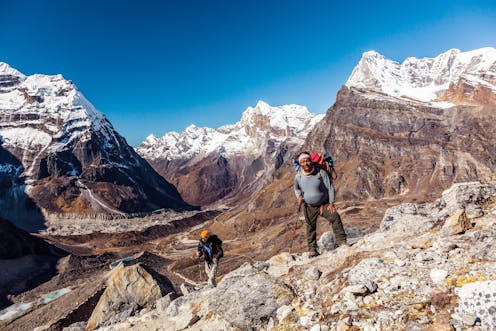
Few communities have enjoyed the collective fame and individual obscurity of the Sherpas. This minority group, living across the high-Himalaya border between Tibet (China) and Nepal, has become famous for its many world-class mountain climbers.
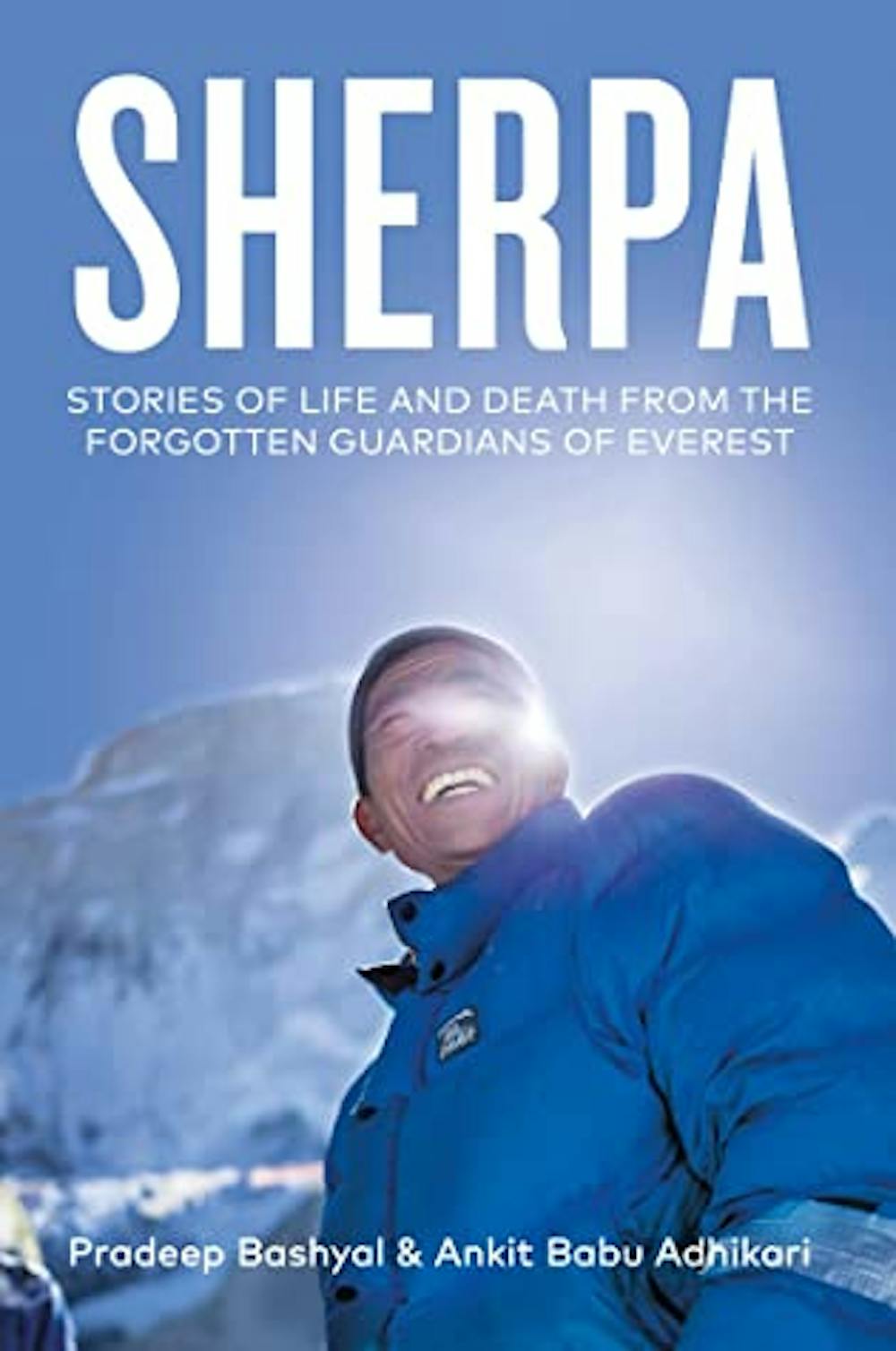
Review: Sherpa: Stories of Life and Death From the Forgotten Guardians of Everest – Pradeep Bashyal, Ankit Babu Adhikari (Cassell)
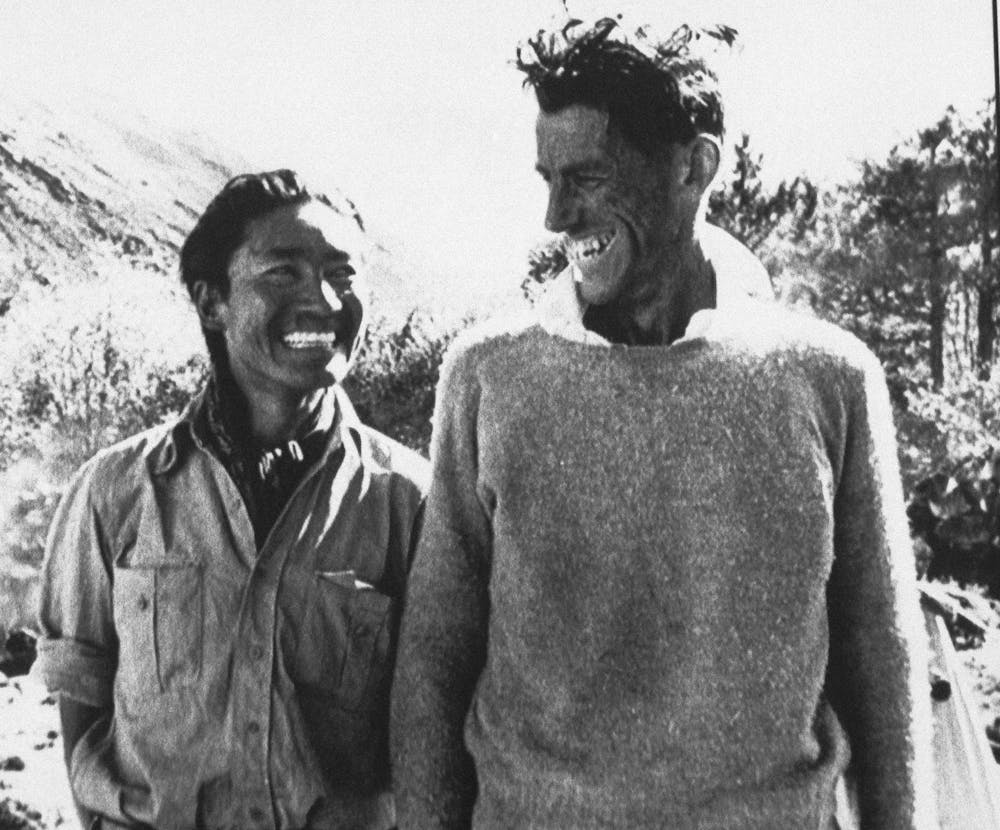
The Sherpas first developed this reputation when in 1953, Tenzing Norgay summitted the world’s tallest mountain with his friend Edmund Hillary. He knew the mountain as Chomolangma, the abode of a capricious goddess, Miyolangsangma. The world knows the same mountain as Everest.
Since Norgay’s ascent, the Sherpas have used his fame and their remarkable abilities at high altitudes to develop a lucrative but heartbreakingly dangerous mountain climbing industry. They have transformed their community, creating wealth and opportunities unthinkable for their grandparents.
But the industry has also taken an enormous toll, with many lives lost and constant family separations. The Sherpas do all they can to keep their wealthy clientele as safe as possible on the mountain; often these clients become the story, rather than the Sherpas themselves.
Sherpa: Stories of Life and Death From the Forgotten Guardians of Everest, is an attempt to fix this injustice by focusing on the lives and deeds of multiple mountaineering Sherpas and their families. It follows a similar path to Jennifer Peedom’s excellent 2015 film, Sherpa, but traverses different timelines and geographical regions.
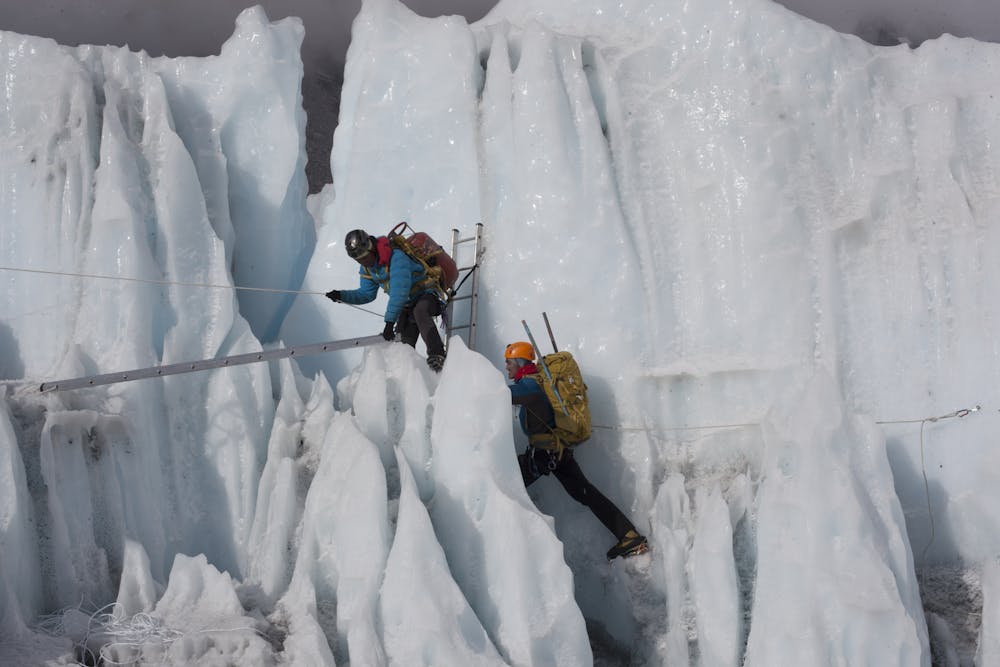 A still from the 2015 film Sherpa.
Screen Australia/AAP
Pradeep Bashyal and Ankit Babu Adhikari are both Kathmandu-based Nepali journalists. They tell the stories of the Sherpas they met in Kathmandu, Darjeeling, the Khumbu region at the base of Chomolangma, and other Sherpa high-altitude regions, Makalu and Rowalung, with excitement, heart, and sensitivity. They entwine the climbers’ stories of achievement and disaster on the mountains with tales of family struggles off the mountain.
Through the stories of elders such as Kanchha Sherpa, who assisted on the early missions in the 1950s, and Sirdar Mingma Chhiring Sherpa, a first-generation trekking guard, they trace the history of the industry’s development.
They interview multiple generations of mountain climbers within families, including Tenzing Norgay’s son Jamling Tenzing Norgay, who takes them through his family’s private museum dedicated to his father. And they talk to younger climbers who represent the future of mountain climbing, including, refreshingly, many women.
Read more: Death on Everest: the boom in climbing tourism is dangerous and unsustainable
‘A major grudge’
The climbers’ stories speak not only of the great triumph of standing on the top of the world, often multiple times, but also of the tragedies they have all endured. There are about 114 000 Sherpas living in Nepal and China. Despite this small population, of the approximately 300 climbers who have died climbing Everest, more than one-third have been Sherpas.
The most moving stories are those of Chomolangma’s widows and their differing attempts to deal with grief and loss. By using long passages of reported speech, Bashyal and Adhikari let the widows speak to us directly. We meet Furdiki Sherpa and Nima Doma Sherpa, who met up after their husbands both died on the mountain and decided to climb it together.
After raising the money and training, they eventually made their ascent in 2019. But as Furdiki explains to us, she still has “a major grudge from the ascent of Everest”. She had expected it “to somehow make [her] heart a little lighter”. But it only made her heart “heavier”. She missed her husband more.
The authors also describe their travels to the Sherpas’ villages and homes, offering an insight into the dramatic geography of the region, and details such as the food they grow and eat, including nettles, potatoes, and millet, and the ways they build their houses with mud, stones and tin-sheeted roofs.
Changes
There have been profound changes in Sherpa life since Tenzing Norgay stood on top of Chomolangma. Some, like the building of schools, roads, airports and medical facilities, have been gratefully received. Others, such as the impact of COVID and the damage being slowly brought about by climate change, present further challenges to all the region’s people, not just its mountain climbers. As the region’s glaciers melt and its seasons contract, they live with the threat of glacial lake floods and must produce food in shorter seasons with less water.
These are the details lost within other stories of Everest’s “conquests” or tragedies. It seems we find it easier to read about the deaths and hardships of wealthy people climbing the mountain than those the villagers around Chomolangma endure year in and year out.
Read more: Curious Kids: how and when did Mount Everest become the tallest mountain? And will it remain so?
Bashyal and Adhikar’s honesty about their inability to perform the same feats at the Sherpas and their struggles in even getting to their homes are insightful, but they point to the one element of the book that made this reader uncomfortable.
It is the several assumptions and misreadings of the Sherpas’ language and religion and the absence of any analysis of their lived experiences as minorities within Nepal. The authors present the Sherpas as unproblematically Nepali, despite the fact they live across the Nepal-China border.
 They describe them as being of “Mongol-ethnicity”, an unfortunate, race-based, colonial-era designation. And they sometimes misrepresent the Sherpa language — for example, “pumo” means girl, not boy — and do not acknowledge the similarities between the Sherpa and southern Tibetan languages across the international border.
Still, it is a testament to the warmth, compassion, and humility of the authors’ storytelling that these missteps do not overshadow the book’s many positive attributes. Generally, Bashyal and Adhikar introduce us to the Sherpas’ world with great care.
Ultimately, the Sherpas are still presented as a collective, rather than a series of individuals who have achieved great things.
But this approach is probably the authors’ greatest insight into Sherpa society and the greatest lesson we can take from the book. Up there in Himalayan villages and on the world’s highest peaks, collective stories support life and bring joy much more than any individual tale.


