

Most people thinking about suicide don't tell anyone. Here's why and what we can do about it
- Written by The Conversation

Many people at risk of suicide are going undetected and unsupported in our community, our research suggests.
Our recently published study found under half of people tell anyone they’re thinking of suicide, making plans or had attempted suicide.
Here are some of the reasons why people don’t often talk about this, and what you can do to help a friend or loved one get the support they need.
Read more: R U OK day is coming up, but what do you do if someone says 'no'?
We’re getting no better at predicting
In 2021 in Australia, 3,144 people died by ending their life (2,358 males and 786 females).
Worldwide, more than 700,000 people take their life each year. Globally, suicide is the fourth leading cause of death among 15-29 year-olds.
But our ability to predict who might have suicidal thoughts and behaviours or end their life has not really improved over 50 years of research.
Because suicide is relatively infrequent (as a percentage of the population), it is difficult to identify robust risk factors for suicide we can generalise across the population.
We need to know who’s at risk
One of the most crucial steps in understanding and managing the risk of suicide is for individuals to disclose their suicidal thoughts and behaviours to other people. It also gives us a chance to mobilise support.
However, when colleagues and I looked at the evidence, we found less than 50% of people tell anyone else about their suicidal thoughts or behaviours.
Even if they had these thoughts or behaviours over the past month, only an estimated 38% of people told anyone. Most people don’t ever disclose any suicidal thoughts or behaviours, however long ago these occurred.
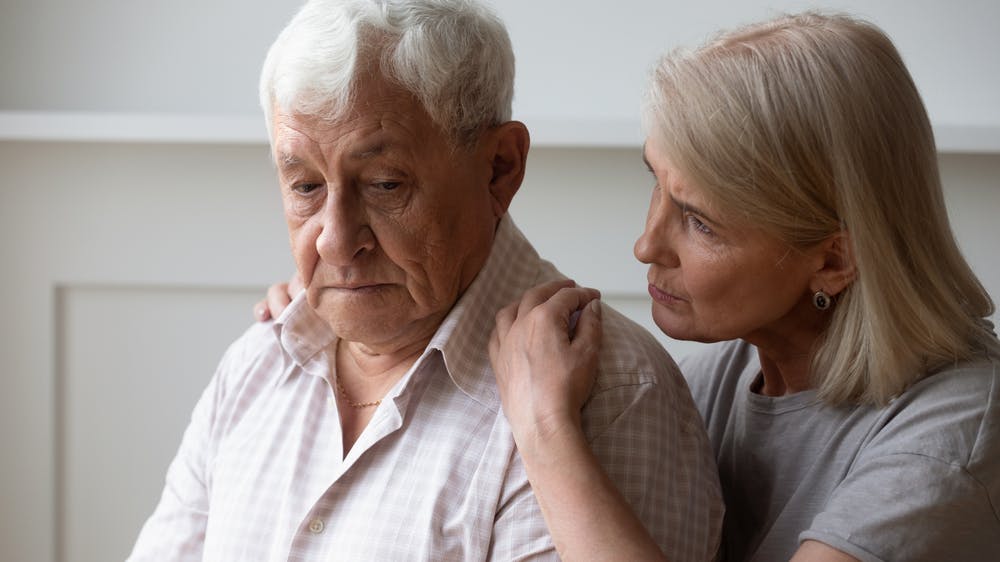
Our study was a meta-analysis, which combined information from almost 100 studies to estimate how commonly people disclosed.
Women were slightly more likely to disclose than men and disclosure was more likely when associated with a psychiatric disorder.
Notably, among studies of people who had died by suicide, close to 60% of people had no documented evidence of telling someone they had thoughts or plans of ending their life.
Put simply, the findings suggest a large number of people at risk of suicide are undetected and unsupported.
Read more: Why are we losing so many Indigenous children to suicide?
Why don’t people say anything?
Reasons people don’t disclose thoughts of suicide include: stigma and shame about having the thoughts, fear of rejection or unsupportive reactions from others, concerns about burdening other people, and believing nothing can be done.
Worrying about the consequences of telling other people, such as being hospitalised or receiving unwanted treatment, might be particularly important where people have had negative experiences with disclosure in the past.
A lack of confidence in expressing oneself is another significant barrier. Some people avoid thinking or talking about it as their main way of coping.
Having more social support can increase the likelihood of disclosing suicidal thoughts. This is important given most disclosures are made to family or friends. Increased understanding and knowledge about suicide seems to also be linked with a higher likelihood of disclosure.
How do we start conversations?
Public campaigns to increase mental health literacy and normalise discussions about suicide have likely been helpful in facilitating disclosures. Most times, this means talking about it.
Asking someone about suicide risk indirectly can be more comfortable, such as checking in on how they are feeling or how they are doing. But the question might be misunderstood or answered in a “socially desirable” way.
A conversation might go, “How are you doing?”, with a response, “Yeah, not bad.”
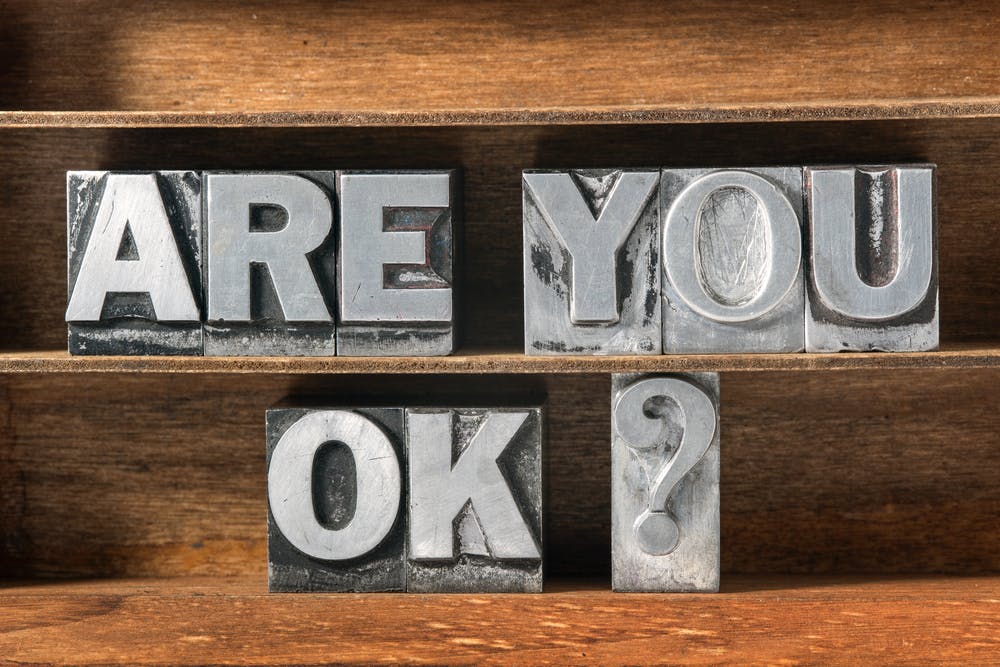 General questions, such as ‘Are you OK?’ might not work. Asking more direct questions might.
Shutterstock
General questions, such as ‘Are you OK?’ might not work. Asking more direct questions might.
Shutterstock
But research shows asking more direct questions does not increase their distress and does not cause someone to have more suicide-related thoughts or behaviours.
So, clear questions – such as “Are you having thoughts of ending your life?” or “Are you thinking about hurting yourself?” – may help draw out an answer.
Asking about how safe they feel now can also be useful: “Do you feel safe at the moment?”
Offering the choice of not responding might lead to opportunities to ask about it later. You can say, “It’s OK if you don’t want to answer that right now.”
Talking about suicide can be difficult. But knowing we don’t need to be perfect at it, and we’re not tasked with trying to solve all of a person’s problems, is important.
Read more: How to ask someone you're worried about if they're thinking of suicide
You can really help
For some people, thoughts of suicide reflect a negative or hopeless mental state, but not an intent to harm themselves. Most people who have thoughts of suicide do not end their life.
But what you can do for someone is significant.
First, the emotional support and acceptance you show by simply asking and listening is immensely important to helping people feel understood and cared for. This can help normalise and de-stigmatise their experience. Depending on your relationship, you may want to know more about what is driving those thoughts, and being curious and non-judgemental can help.
Second, you can give simple practical support by asking someone what they might need. You could try, “Is there anything you need right now? How can I help?”. You could encourage them to tell loved ones, and support them to find professional help. This might be their GP, mental health professional, to call a helpline, or 000 if the person seems very unsafe.
If this article has raised issues for you, or if you’re concerned about someone you know, call Lifeline on 13 11 14. In an emergency, call 000.


