

My child has a cough, so what's wrong with using cough syrup?
- Written by The Conversation
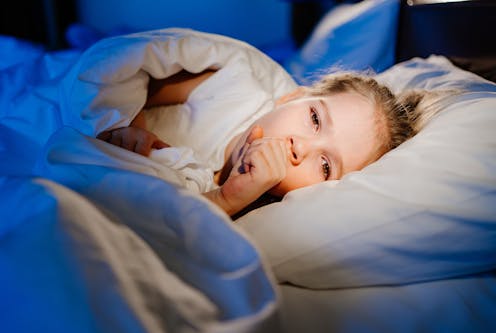
As winter approaches, many parents will be bracing for the cold and flu season. Young children typically get at least six colds a year.
In previous generations, parents might have reached for the cough syrup to relieve a dry or chesty cough.
But we now know cough syrups aren’t very effective at treating children’s coughs.
And amid mounting evidence of harms from poisoning and deaths, many countries including Australia have restricted cough medicines so they can’t be given to children aged under six.
What’s in cough medicine?
Active ingredients in cough syrups vary depending on their claimed benefit. They can contain cough suppressants (dampening the body’s cough reflex), expectorants and mucolytics (both of which help clear phlegm).
Other medicines marketed for cold and flu often contain decongestants (to relieve a blocked nose) and sedating antihistamines to relieve sneezing, stop a runny nose and to aid sleep.
Read more: Health Check: why do I have a cough and what can I do about it?
The riskiest medications are those with a sedative action, such as sedating antihistamines or opioid-based cough suppressants. While sedation may be a desired effect for parents with a sleepless child, young children are particularly at risk of serious harm or death. Sedatives can also cause agitation and hyperactivity.
While cough syrups that don’t contain sedatives are likely safer, there are very few studies of safety and efficacy of these products in children. Adverse events including agitation and psychosis have been reported, especially with overuse.
Overuse may result from parents misreading the label, intentionally using more in the hope it will work better, inadvertent extra doses and the use of inaccurate measuring devices such as household spoons.
How are cough syrups restricted?
Young children under two years old are most at risk of a fatal overdose from cough syrups. But Australia’s drug regulator recommends against using cough syrups for anyone under six years of age. As such, there are no dosing instructions for children under six years on the labels of these products.
Cough syrups are still available for older children and adults. Pharmacists are likely to ask the age of the person who will take it and provide guidance on dosing and appropriate use.
Our research, published today in the Medical Journal of Australia, shows restricting the use of cough and cold medicines in children results in a significant and sustained decrease in poisonings.
Our study looked at dosing errors, adverse events at correct doses, and accidental “exploratory ingestions”, such as when a toddler helps themselves to the medicine cabinet.
The government mandated labelling changes in 2012 and 2020 for these products. In 2012, labels for medicated cough and cold products could no longer list dosing instructions for children under six, and had to carry additional warnings. In 2020, warnings were put on sedating antihistamines saying they were not to be used in children under two years for any reason (including allergy and hayfever).
This resulted in a halving of the rate of poisons centre calls, and a halving in the rate of hospitalisations. Despite this, hundreds of calls are still made to Australian poisons centres per year regarding these products in young children.
When is it OK to use cough syrups?
Harms have mostly been documented in younger children. This is likely due to their smaller size, meaning it takes less medicine to cause harm, and also their susceptibility to sedative effects due to their developing brains.
Cough syrups can be used for in children aged six to 11 years, however caution is still needed. These products should only be given in consultation with a doctor, pharmacist or nurse practitioner.
Read more: Health Check: do cough medicines work?
Some herbal products are available and marketed for children, such as Hedera helix (ivy leaf extract). Unfortunately, there is no convincing evidence these medications meaningfully improve cough symptoms. But the risk of poisoning is low.
Simple syrups containing no medication can also be effective: up to 85% of the effectiveness of cough medicines has been put down to the “placebo effect”. This could be due to syrups coating the throat and dampening that irritating tickling sensation.
So what can I do for my kid?
The best thing you can do for your child is give them rest and reassurance.
Antibiotics will only be needed if a doctor diagnoses them with acute bacterial pneumonia or with a chronic cough due to a bacterial infection, such as protracted bacterial bronchitis, whooping cough or a lung abscess.
Paracetamol or ibuprofen can be used if they have fever, aches and pains along with their cough. Check the correct dosage on the packaging for your child’s weight and age.
If your child is older than 12 months and has a wet cough (producing phlegm in their throat), consider giving them honey. There is growing evidence honey can reduce the production of mucus and therefore, the amount of coughing.
Read more: Still coughing after COVID? Here's why it happens and what to do about it
Read more https://theconversation.com/my-child-has-a-cough-so-whats-wrong-with-using-cough-syrup-205396


