No, the RBA review won't mean handing the bank's decisions to part-time outsiders
- Written by The Conversation
Misinformation is circulating about recommendations concerning the Reserve Bank board made by the RBA Review, of which I was a member.
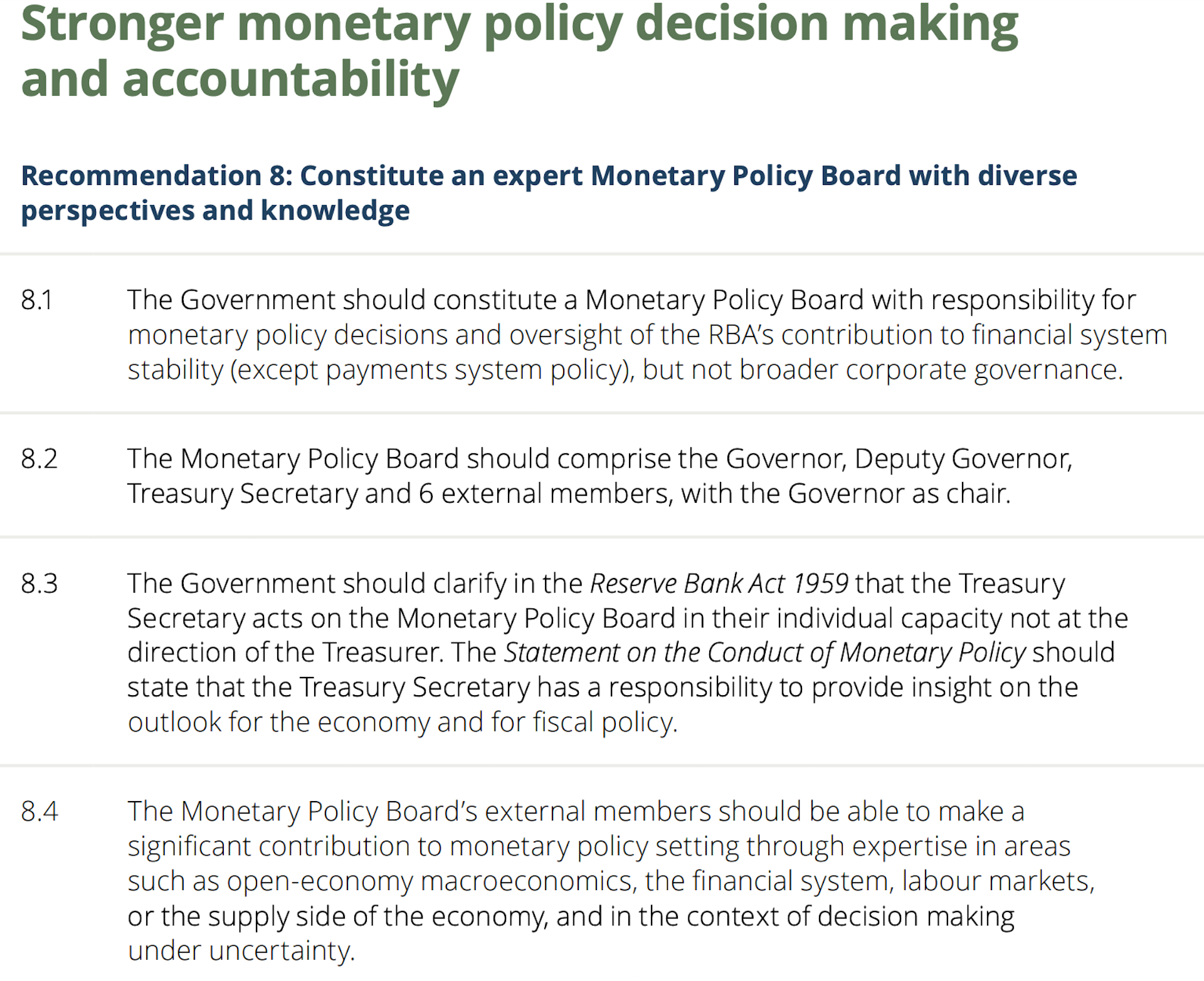
Among the claims are that the new monetary policy board we have proposed would “weaken” incoming governor Michele Bullock’s power over interest rates, and that giving part-time appointees majority control over important decisions would be a “dangerous mistake”.
The claims need to be corrected.
The Review of the Reserve Bank of Australia, conducted between July 2022 and March 2023, made 51 recommendations, which Treasurer Jim Chalmers is now considering.
 Board members would have a mix of skills.
Shutterstock
We believe this mix of skills will be necessary amid the challenges and uncertainty Australia is likely to face in the future.
We expect more economic disruption from events such as the war in Ukraine, pandemics and climate events. Meanwhile, the rise of factors such as gig work and artificial intelligence will bring changes in the labour market.
We recommended that each external member of the monetary policy board be given direct access to Reserve Bank staff. These staff could provide extra analysis or briefings on the costs, benefits and risks of various possible strategies.
Board appointments
Currently, the treasurer appoints Reserve Bank board members from a “register of eminent candidates of the highest integrity” maintained by the treasury secretary and Reserve Bank governor.
The existing members are doubtless outstanding leaders in their fields. But our review could not identify the criteria used to determine who is added to the register.
We recommended a transparent and strategic appointment process.
Advertisements would be posted asking for expressions of interest, pointing to a set of required skills and experience. A panel comprising the treasury secretary, the governor and a third party would then prepare a shortlist for the treasurer.
Board members would have a mix of skills.
Shutterstock
We believe this mix of skills will be necessary amid the challenges and uncertainty Australia is likely to face in the future.
We expect more economic disruption from events such as the war in Ukraine, pandemics and climate events. Meanwhile, the rise of factors such as gig work and artificial intelligence will bring changes in the labour market.
We recommended that each external member of the monetary policy board be given direct access to Reserve Bank staff. These staff could provide extra analysis or briefings on the costs, benefits and risks of various possible strategies.
Board appointments
Currently, the treasurer appoints Reserve Bank board members from a “register of eminent candidates of the highest integrity” maintained by the treasury secretary and Reserve Bank governor.
The existing members are doubtless outstanding leaders in their fields. But our review could not identify the criteria used to determine who is added to the register.
We recommended a transparent and strategic appointment process.
Advertisements would be posted asking for expressions of interest, pointing to a set of required skills and experience. A panel comprising the treasury secretary, the governor and a third party would then prepare a shortlist for the treasurer.
 Advertisements would call for expressions of interest.
Shutterstock
We recommended the external members be appointed for a term of five years with a potential one-year extension. End dates would be staggered, ensuring the entire board could not be replaced within a single term of government.
A board of academics?
Despite claims that our review “envisages a committee of academic economists”, the review defined expertise broadly. It said that although the change would “very likely mean more academic expertise” on the board, other experts were likely to include business leaders and professional economists.
Advertisements would call for expressions of interest.
Shutterstock
We recommended the external members be appointed for a term of five years with a potential one-year extension. End dates would be staggered, ensuring the entire board could not be replaced within a single term of government.
A board of academics?
Despite claims that our review “envisages a committee of academic economists”, the review defined expertise broadly. It said that although the change would “very likely mean more academic expertise” on the board, other experts were likely to include business leaders and professional economists.
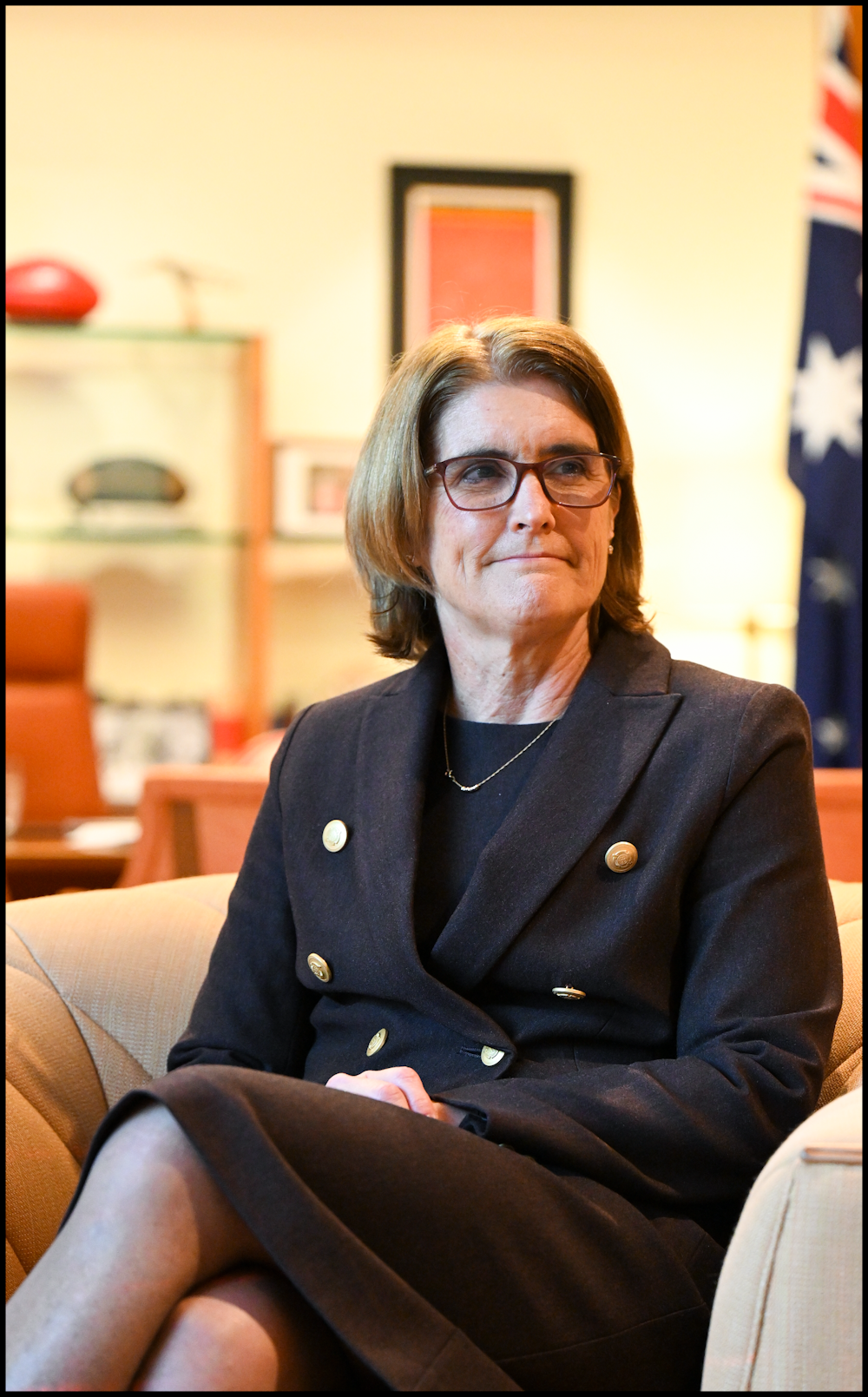 Michele Bullock can hold her own.
Shutterstock
Governor outnumbered?
Macfarlane expressed concern that our recommendations would leave the governor “outnumbered” by six part-timers, meaning she would have to defend decisions she disagreed with.
Notwithstanding the fact the board’s composition wouldn’t change from its current makeup, we don’t have to worry about the governor.
I am confident Michele Bullock has what it takes to navigate a tough board and the associated public commentary, as does any strong leader.
Australians need to be sure the very best decisions are being made. Our future depends on it.
Read more:
Politics with Michelle Grattan: Treasurer Jim Chalmers on Michele Bullock's appointment as Reserve Bank Governor
Michele Bullock can hold her own.
Shutterstock
Governor outnumbered?
Macfarlane expressed concern that our recommendations would leave the governor “outnumbered” by six part-timers, meaning she would have to defend decisions she disagreed with.
Notwithstanding the fact the board’s composition wouldn’t change from its current makeup, we don’t have to worry about the governor.
I am confident Michele Bullock has what it takes to navigate a tough board and the associated public commentary, as does any strong leader.
Australians need to be sure the very best decisions are being made. Our future depends on it.
Read more:
Politics with Michelle Grattan: Treasurer Jim Chalmers on Michele Bullock's appointment as Reserve Bank Governor