

3 things the disability royal commission missed: health, transport, day programs
- Written by The Conversation

The Royal Commission into Violence, Abuse, Neglect and Exploitation of People with Disability has shared its final report. In this series, we unpack what the commission’s 222 recommendations could mean for a more inclusive Australia.
The disability royal commission’s final report included an expansive range of recommendations including the introduction of an Australian disability rights act, a minister for disability inclusion and a department of disability equality and inclusion.
The government says it will establish a taskforce and a staged response to dismantle barriers to inclusive education, open employment, and accessible, appropriate and safe housing.
But in three critical areas, the report barely scratches the surface of what is needed to make life more inclusive and equitable for Australians with disability.
1. Preventive health
The commission said a disability rights act would ensure equitable access to health services. But the report fails to provide a comprehensive analysis of the overall health and wellbeing of disabled Australians, or to set a reform agenda for health policy.
The commission received promising proposals early on to reform health care for people with disability. Options for strengthening preventive care, such as extending Medicare to cover dental and oral health for people with disability, and funding longer consultations for GPs and patients with disability are practical, systemic changes that could improve the health of Australians with disability.
Similarly, proposals to redesign physical environments so people with cognitive disabilities feel calm and safe did not feature (though there was mention of the value of co-design and collaborative care planning).
International examples of good practice also fell off the agenda. Last year the World Health Organization identified 40 actions to improve health outcomes for people with disability. They span policy, funding, models of care, physical infrastructure and digital technologies to improve access, participation and outcomes.
The United Kingdom’s National Health Service has acted to address the poorer physical and mental health of people with intellectual disabilities through annual health checks.
Read more: Here's why we need a disability rights act – not just a disability discrimination one
2. Urgent transport reforms
Transport is crucial to inclusion. In countless hearings and witness statements the commissioners heard disturbing accounts of inaccessible transport, and harassment and abuse on buses, trains and aeroplanes. But the report offers little in the way of practical reforms or recommendations for improvement.
The commissioners acknowledge deficiencies in the Disability Standards for Accessible Public Transport, which are linked to Australia’s anti-discrimination laws and human rights obligations. But their interest in reform stopped short of recommending ways to improve transport for people with disability through either legislation or policy.
Beefing up legislation, urging education for providers about the difficulties disabled passengers face and quantifying the wastage created by inaccessible transport would have been practical steps.
It’s important to note transport and health care are both areas where state and territory governments are not meeting their commitments to make reasonable adjustments for people with disability. Their failure to do so only adds to pressure on the National Disability Insurance Scheme (NDIS), which is forced to fund supports to cover the gaps. We can only hope the upcoming NDIS Review makes recommendations for managing these boundaries better.
3. Meaningful day services
Another glaring omission in the final report is the absence of specific recommendations about the role of day programs, in which people with disability are grouped together – often behind closed doors.
The commission heard evidence of violence suffered by people with disability in these settings, including accounts of NDIS participants being subjected to sexual abuse and assault.
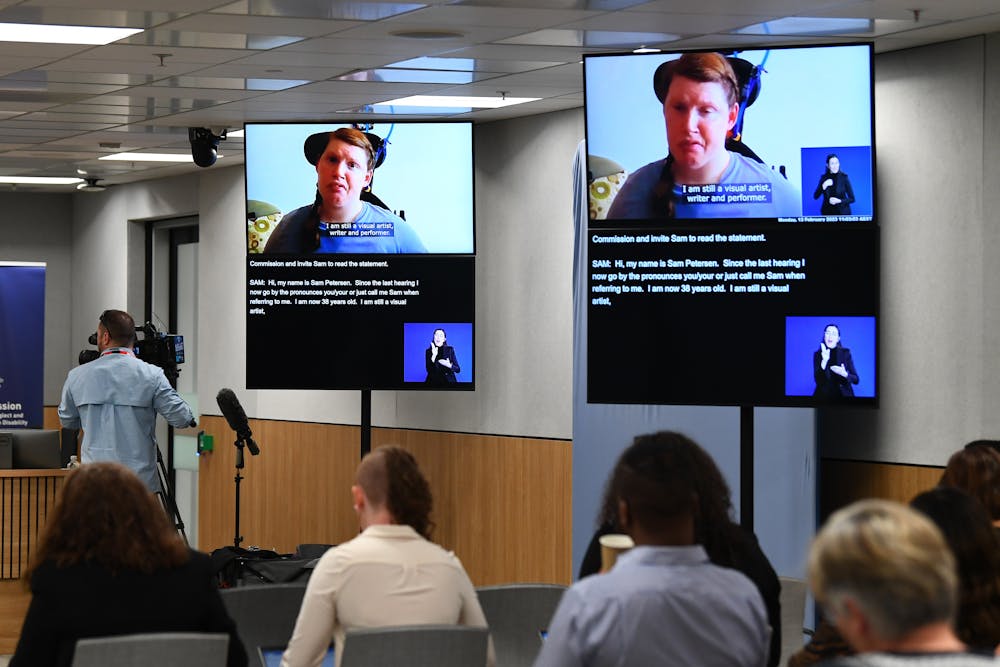
Testimony made it clear many day programs are essentially segregated services that offer little by way of meaningful pursuits or skills development. One witness said the day program her son attended was nothing more than “glorified babysitting”.
The commissioners missed a golden opportunity to clarify what a meaningful, inclusive experience might mean in these settings. Recommendations for reform could help people with disability lead full and purposeful lives in the community, with a range of friendships, activities and relationships – a human right they share with the rest of society.
Read more: The disability royal commission heard horrific stories of harm – now we must move towards repair
What’s next?
Decades in the making, the disability royal commission was a once-in-a-lifetime chance to investigate the realities of life for disabled Australians. It showed current policy settings are not up to the mark. Many of its recommendations stand to improve the lives of Australians with disability.
However, when it comes to reforming the health system disabled Australians depend on, making transport more accessible and creating meaningful social and recreational opportunities, the commissioners’ report seems to have handed government a free pass.


