News Daily


Men's Weekly

Australia

  • Written by The Conversation
A new report lays out NZ’s humanitarian duties under the laws of war – now it needs an action plan

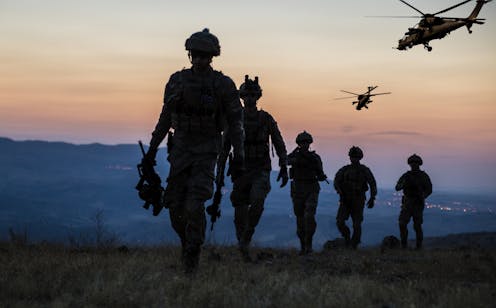
The laws of war might seem of limited relevance in relatively peaceful New Zealand. But our soldiers participate in coalitions fighting wars abroad, and the often flagrant violation of humanitarian law in ongoing conflicts reminds us not to be complacent.

So the launch yesterday of the government’s Report on the Domestic Implementation of International Humanitarian Law was welcome. Timed to coincide with this month’s 75th anniversary of the 1949 Geneva Conventions, the report sets out New Zealand’s obligations to protect some minimum human dignity in war. Essentially, international humanitarian law, also known also as the law of armed conflict, places important restraints on how wars may be fought. The new report maps New Zealand’s existing obligations and how they are part of domestic law and policy. In doing so, New Zealand joins other countries that have published such voluntary reports promptly. Australia will also publish its first national report this year. And while states accused of violating international humanitarian law might not follow suit, the broader aim is to keep the issue alive and ultimately strengthen compliance by all countries. Respecting international law Unlike more recent humanitarian treaties, such as those banning landmines or cluster munitions, the Geneva Conventions do not require annual meetings of countries, or require signatories to submit regular reports. This has made compliance a challenge. And attempts since 2011 to gain global political support for some form of regular, voluntary, formal framework have so far faltered. A 2019 resolution at the four-yearly International Conference of the Red Cross and Red Crescent Movement instead encouraged a less politically sensitive alternative: countries would review their own implementation and share best practices through a voluntary national report. How countries implement international humanitarian law – by training their military on the rules, for example, or enacting domestic war crimes legislation – is central to respecting that law. The New Zealand government and local Red Cross pledged to work on this before the next Red Cross conference in late 2024. The resulting report first sets out how New Zealand has signed up to nearly all the key international treaties and made them part of its own laws. It also explains who is responsible for implementing and enforcing those laws, and how the rules of armed combat are taught. This includes various government departments (Defence Force, Ministry of Foreign Affairs and Trade, Crown Law). Non-governmental institutions (Red Cross, education providers) are also involved, for example, by holding events for students and the public to discuss war, peace and humanitarian values. Finally, the report summarises New Zealand’s commitment to specific protections under international law for prisoners of war, women and girls, cultural property and the environment, as well as to rules prohibiting or restricting the use of munitions such as chemical weapons. Ukraine, 2024: The Red Cross and Red Crescent were instrumental in pushing for national voluntary reports. Getty Images What NZ can do next New Zealand has a solid record in ratifying the relevant international humanitarian law treaties and implementing them at home. The Operation Burnham Inquiry into alleged violations by NZSAS troops in Afghanistan, and the laws and policies adopted as recommended by that inquiry, are examples of good practice for other countries to follow – and of the possible challenges in doing so. This is not to say New Zealand has nothing more to do. These national reports also serve to identify gaps in implementation and suggest areas for future efforts. Even Switzerland, birthplace of modern humanitarian law, produced a parallel public action plan to its 2020 voluntary report which detailed future steps for strengthening compliance. Despite having a Disarmament and Arms Control Strategy and a Humanitarian Action Policy, New Zealand has yet to produce an action plan to accompany its own voluntary report. Precisely because of New Zealand’s commitment to international humanitarian law, the report should now be used as a tool to further strengthen those efforts. This needs to involve the whole government, not be confined to the military and foreign affairs, and involve Māori and civil society. Lastly, New Zealand must continue to demand respect for these laws by other countries. That includes speaking out about the worst offenders, based on a coherent and consistent foreign policy, and supporting Pacific states with their own implementation. Given the death and devastation caused by today’s ongoing wars, this report offers everyone a simple way to engage and reflect on these vital issues of human dignity in peace and conflict.

Read more https://theconversation.com/a-new-report-lays-out-nzs-humanitarian-duties-under-the-laws-of-war-now-it-needs-an-action-plan-235880

Lighting Stores Perth: Expert Guidance for Inspired and Functional Spaces

Choosing the right lighting can completely change how a space feels, functions, and flows. Trusted lighting stores Perth play a crucial role in helping homeowners and businesses make confident lighting decisions that go beyond appearance alone. Lighting influences mood, productivity, comfort... Read more

Why Retail Cleaning Plays a Key Role in Customer Experience

In retail environments, cleanliness directly shapes how customers perceive a brand. Retail cleaning is not just about appearance but about creating a space where shoppers feel comfortable, confident, and welcome. From small boutiques to large shopping centres, a clean retail environment... Read more

Cleaner Floors, Healthier Homes: Lefant M3L Arrives as Australians Prioritise Pet-Friendly Hygiene

As pet ownership continues to rise, Australians are placing greater emphasis on maintaining a hygienic indoor environment for both family members and their animals. Issues such as dander, loose fur, and tracked-in dirt require consistent cleaning to support better home... Read more

How Home Removalists Save Time, Money, and Energy During Your Move

Moving to a new home is an exciting chapter in life, but the process of getting there can be overwhelming. From packing and organizing to transportation and unpacking, relocation involves a long list of tasks that can consume both your... Read more

Fulfilment Australia: Streamlining ECommerce Operations for Business Growth

As eCommerce continues to thrive, efficient order fulfilment has become one of the most critical components of customer satisfaction and business success. Companies across the nation are turning to professional fulfilment Australia providers to manage inventory, packaging, and shipping operations... Read more

Evaporative Cooling Cleaning Melbourne: Keeping Your System Fresh, Efficient, and Healthy

As Melbourne’s summers grow hotter, many homes rely on evaporative cooling systems to stay comfortable. While these systems are energy-efficient and environmentally friendly, they require regular maintenance to perform at their best. Professional Evaporative Cooling Cleaning Melbourne services are essential... Read more