

Humans will soon be able to mine on the Moon. But should we? 4 questions to consider
- Written by The Conversation
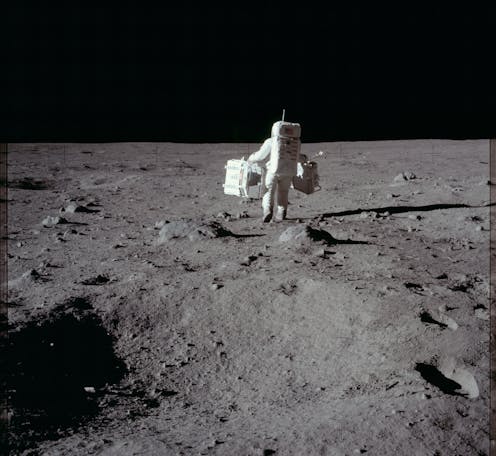
By the end of this decade, nations and private companies may well be mining the surface of the Moon.
But as space becomes accessible to more nations and corporations, we need to stop and ask ourselves what commercial activities we want to allow, including on the Moon.
Now is the time to create the rules and regulations that will protect humanity’s shared future in space and ensure the Moon remains a symbol and inspiration for generations to come.
1. Why mine the Moon?
NASA’s multibillion dollar Artemis program isn’t just about sending astronauts back to the Moon. It’s about paving the way for mining operations.
China is also on a similar trajectory.
All of this has set in motion a new lunar race with private companies competing to figure out how to extract the Moon’s resources, potentially selling it back to governments in a cosmic supply chain.
Currently, all supplies for space exploration are shipped from Earth, making essentials like water and fuel eye-wateringly expensive.
By the time a single litre of water reaches the Moon, its cost beats that of gold.
But by converting water ice on the Moon into hydrogen and oxygen, we can refuel spacecraft on-site. This could make deeper space journeys, especially to Mars, far more feasible.
The Moon’s wealth of rare Earth metals, essential for technologies like smartphones, also means lunar mining could ease the strain on Earth’s dwindling reserves.
Private companies might beat space agencies to the punch; a startup could be mining the Moon before NASA lands its next astronaut.
2. Could mining change how we see the Moon from Earth?
When material is extracted from the Moon, dust gets kicked up. Without an atmosphere to slow it down, this lunar dust can travel vast distances.
That surface material is “space weathered” and duller than the more reflective material beneath. Disturbing the lunar dust means some patches of the Moon may appear brighter where the dust has been kicked up, while other patches may appear more dull if dust resettles on top.
Even small-scale operations might disturb enough dust to create visible changes over time.
Managing lunar dust will be a crucial factor in ensuring sustainable and minimally disruptive mining practices.
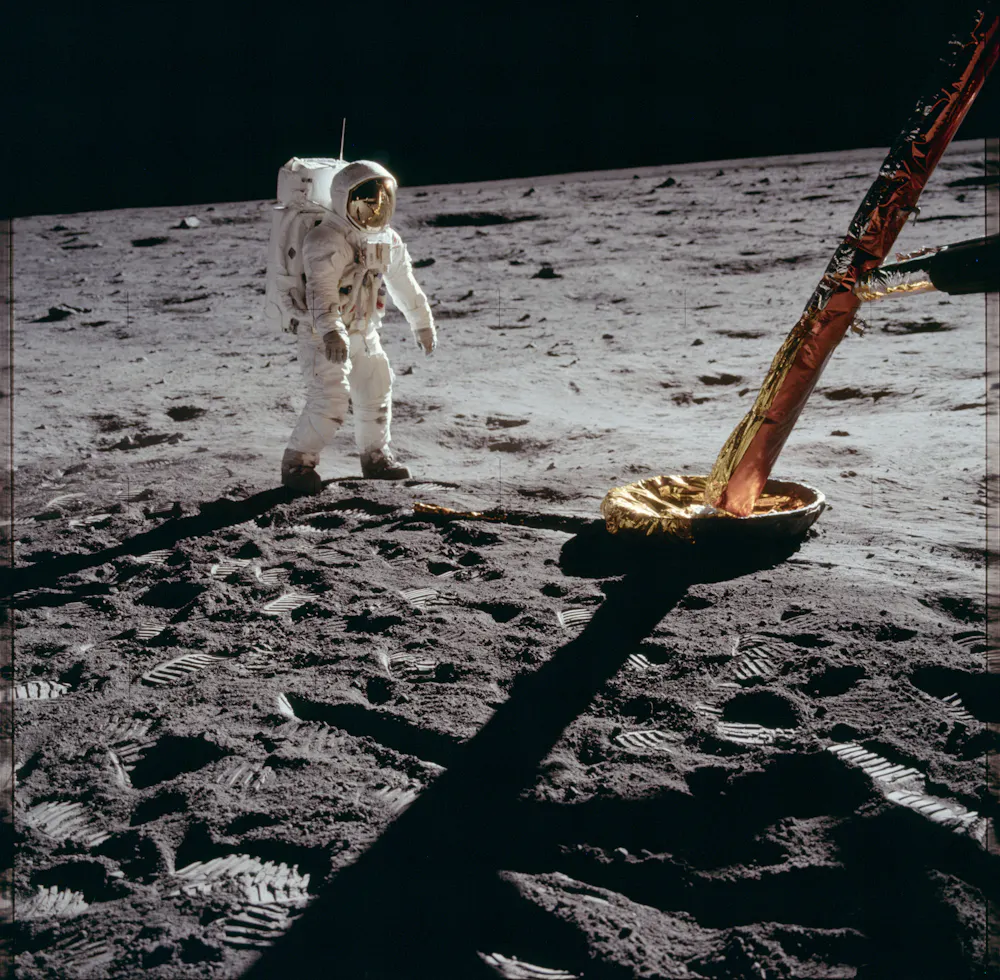
3. Who owns the Moon?
The Outer Space Treaty (1967) makes it clear no nation can claim to “own” the Moon (or any celestial body).
However, it is less clear whether a company extracting resources from the Moon violates this non-appropriation clause.
Two later agreements take up this issue.
The 1979 Moon Treaty claims the Moon and its natural resources as “common heritage of mankind”. This is often interpreted as an explicit ban on commercial lunar mining.
The 2020 Artemis Accords, however, allow for mining while reaffirming the Outer Space Treaty’s rejection of any claims of ownership over the Moon itself.
The Outer Space Treaty also notes the exploration of space should benefit everyone on Earth, not just the wealthier nations and corporations able to get there.
When it comes to resource extraction, some argue this means all nations should share in the bounty of any future lunar mining endeavour.
4. What would miners’ lives be like on the Moon?
Imagine you’ve worked 12 hours straight in hot and dirty conditions. You are dehydrated, hungry and overwhelmed. Some of your co-workers have collapsed or been injured due to exhaustion. You all wish you could just get another job with good safety standards, fair pay and reasonable hours. But you can’t. You’re stuck in space.
This dystopian vision highlights the potential dangers of rushing into lunar mining without addressing the risks to workers.
Working in low gravity conditions brings health hazards. Lunar miners are more likely to suffer:
Exposure to cosmic radiation not only carries an increased risk of various cancers but can also affect fertility.
Lunar miners will also face prolonged isolation and intense psychological stress. We’ll need good laws and guidelines to protect the health and wellbeing of the space workforce.
Regulatory bodies to enforce worker rights and safety standards will be far away on Earth. Miners may be left with little recourse if asked to work unreasonable hours in unsafe conditions.
British astrobiologist Charles S. Cockell claims this makes space “tyranny-prone”. Powerful individuals could, he argues, be able to abuse people who have nowhere else to go.
The Moon holds incredible promise as a stepping stone for human exploration and a potential source of resources to sustain life on Earth and beyond.
But history has shown us the consequences of unchecked exploitation. Before we mine the Moon, we must establish robust regulations that prioritise fairness, safety and human rights.


