

What can you do if your child is being bullied?
- Written by The Conversation
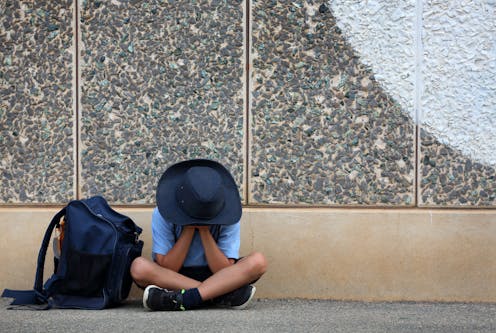
Bullying is one of the top concerns Australian parents have about their children’s health.
Unfortunately about one in four Australian students between Year 4 and Year 9 report being bullied at least every few weeks.
The federal government has recently set up a six month “rapid review” to look at what schools are doing and how best to address bullying.
But what can you do if your child is being bullied at school?
What is bullying?
Recognising a child is being bullied and knowing what to do about it can be difficult for parents.
It’s important to understand what is and isn’t bullying. Bullying is about deliberately using power and status to repeatedly cause distress to, or control another person.
It is not usually a “one off” (although cyberbullying can involve a single post/image, which may be viewed many times or reposted over a long period of time).
It can involve repeated verbal, physical and/or social behaviours (on and offline) intended to cause physical, social and/or psychological harm.
Younger children tend to use more physical forms of bullying. Older children may use more subtle forms of covert and manipulative bullying, which harms social relationships. This can include excluding someone from a group and spreading rumours.
What are the signs a child is being bullied?
Look out for any unexplained changes in your child.
This may include physical injuries, a change in their participation in school or other activities or shifts in friendships. Your child may also be more anxious and nervous, withdrawn or angry.
You know your child best, but directly asking how their friendships are going, may be met with resistance. So if you want to talk about it, a more casual approach may be a better first step. This could include in the car after school/sport or walking together somewhere.
What if your child says they are being bullied?
Children may not want to tell anyone they are being bullied out of fear of things getting worse.
But if and when they do tell, it is often to a parent before friends or the teacher/school.
For parents, hearing your child is being bullied is confronting.But try to stay calm and resist any urges to trivialise, ridicule, blame, get angry or downplay what is being reported. For example, don’t dismiss it as other kids “just being bitchy/nasty”.
Remember no one chooses to be victimised and it takes courage for a child to report and share what has happened. Listen for the emotion in their voice to know how to connect with them. Are they scared, nervous and/or angry?
Let your child know it’s not OK for this to happen, and that it is not their fault. This validates your child’s feelings. Let them know you support them and are going to help.
What can you do next?
Talk with your child about what to do next.
They may ask you not to go to the school because they are worried it will make things worse for them. Let them know you are taking responsibility for dealing with this now. This means letting the school know, so you can work together to address it.
Gather evidence demonstrating this may not be an isolated incident: what has happened, when, where and over how long. Keep a record of what your child has shared with you, especially images or posts if the bullying is happening online.
How to work with the school
Research shows it is crucial for parents and schools to work together to address all forms of bullying. This means both parties are taking responsibility and sharing all relevant information to stop the bullying and support the victimised child.
Before you formally notify the school, read the school’s anti-bullying policy, so you know what to expect the school to do.
When you come to report your concerns, clearly and calmly tell your child’s story of being bullied. Provide evidence and a timeline to the teacher in writing.
Ask when you can expect a response about what will be done. Check back in and ask for a progress report.
Schools should outline the steps they will take once it has been reported. This includes how long the investigation will take, when they will get back to you, and what they are putting in place to protect your child.
Keep trying
If you don’t find initial responses timely or transparent, you may choose to escalate the matter to the next level.
This could mean speaking to the school principal or a more senior teacher, or eventually contacting your state’s department of education or school’s government body (for non-government schools).
If you need more information, you and your child can get support from KidsHelpine and Youth Law Australia. The eSafety Commissioner also has specific advice about cyberbullying.
You can also find more tips on the federal government’s Bullying No Way Website and its Student Wellbeing Hub.
Read more https://theconversation.com/what-can-you-do-if-your-child-is-being-bullied-250799


