

Climate change and the housing crisis are a dangerous mix. So which party is grappling with both?
- Written by The Conversation
Australia is running out of affordable, safe places to live. Rents and mortgages are climbing faster than wages, and young people fear they may never own a home.
At the same time, climate change is getting worse. Last year was Australia’s second‑hottest on record. Global warming is leading to more frequent and severe bushfires, floods and heatwaves.
These two crises feed each other. Energy-hungry homes strain the grid on hot days, and urban sprawl locks residents into in long car commutes. And dangerous, climate-driven disasters damage homes and push insurance bills higher.
It makes policy sense to deal with both crises in tandem. So what are Labor, the Coalition and the Greens offering on both climate action and housing, and are they fixing both problems together?
Labor
On housing, Labor has promised A$10 billion to build up to 100,000 new homes for first home buyers, over eight years. It is also committed to the national cabinet target of 1.2 million homes by 2029.
A returned Labor government would also allow first home buyers to use a 5% deposit to purchase a property. And it would invest in modern construction methods to speed up the building process and make housing more affordable.
On climate policy, Labor is aiming for a 43% cut to emissions by 2030 (based on 2005 levels) and net-zero emissions by 2050. It has also pledged home battery rebates up to $4,000.
The verdict: Labor’s plan represents progress on both climate and housing policy, but the two are moving on separate tracks.
Buildings account for almost a quarter of Australia’s greenhouse gas emissions. But Labor has not made any assurances that the promised new homes will have minimal climate impact.
Labor’s commitment to new construction methods is welcome. Modern solutions such as prefabricated housing can substantially reduce emissions. However, the spending represents only a tiny proportion of Labor’s $33 billion housing plans.
The Coalition
A Coalition government would permit first home buyers to pull up to $50,000 from their superannuation savings for a home deposit. It would also make the interest on the first $650,000 of a new home loan tax-deductible.
The Coalition has also pledged $5 billion to speed up home-infrastructure development such as water and power, and would reduce immigration to ease housing demand.
A Dutton-led government would also freeze building standard improvements for a decade, because it claims some improvements make homes more expensive.
On climate change, it would review Labor’s 43% emissions-reduction target, expand gas production and build small modular nuclear reactors at seven former coal sites.
The verdict: The Coalition’s housing and climate policies are not integrated. And while freezing changes to the national building code might lower the upfront costs of buying a home, it may prevent the introduction of more stringent energy-efficiency standards. This would both contribute to the climate problem and lock in higher power bills.
The Greens
The Greens say rent increases should be capped at 2% every two years. It is also pushing for 610,000 public and affordable homes in a decade, to be delivered by the federal government. Property tax breaks, such as negative gearing, would be wound back.
On climate action, the Greens want a 75% emissions cut by 2030 and a ban on all new coal and gas projects. The party is also advocating for large public investment in renewable energy and grants to help households disconnect from gas appliances and install electric alternatives.
The party says its housing plans slash energy bills and emissions, because more homes would be energy-efficient and powered by clean energy.
The verdict: The Greens offer the most integrated climate-housing policy vision. But its plan may not be feasible. It would require massive public expenditure, significant tax reform, and logistical capabilities beyond current government capacity.
An integrated fix matters
Neither Labor, the Coalition nor the Greens has proposed a truly integrated, feasible policy framework to tackle the issues of housing and climate together.
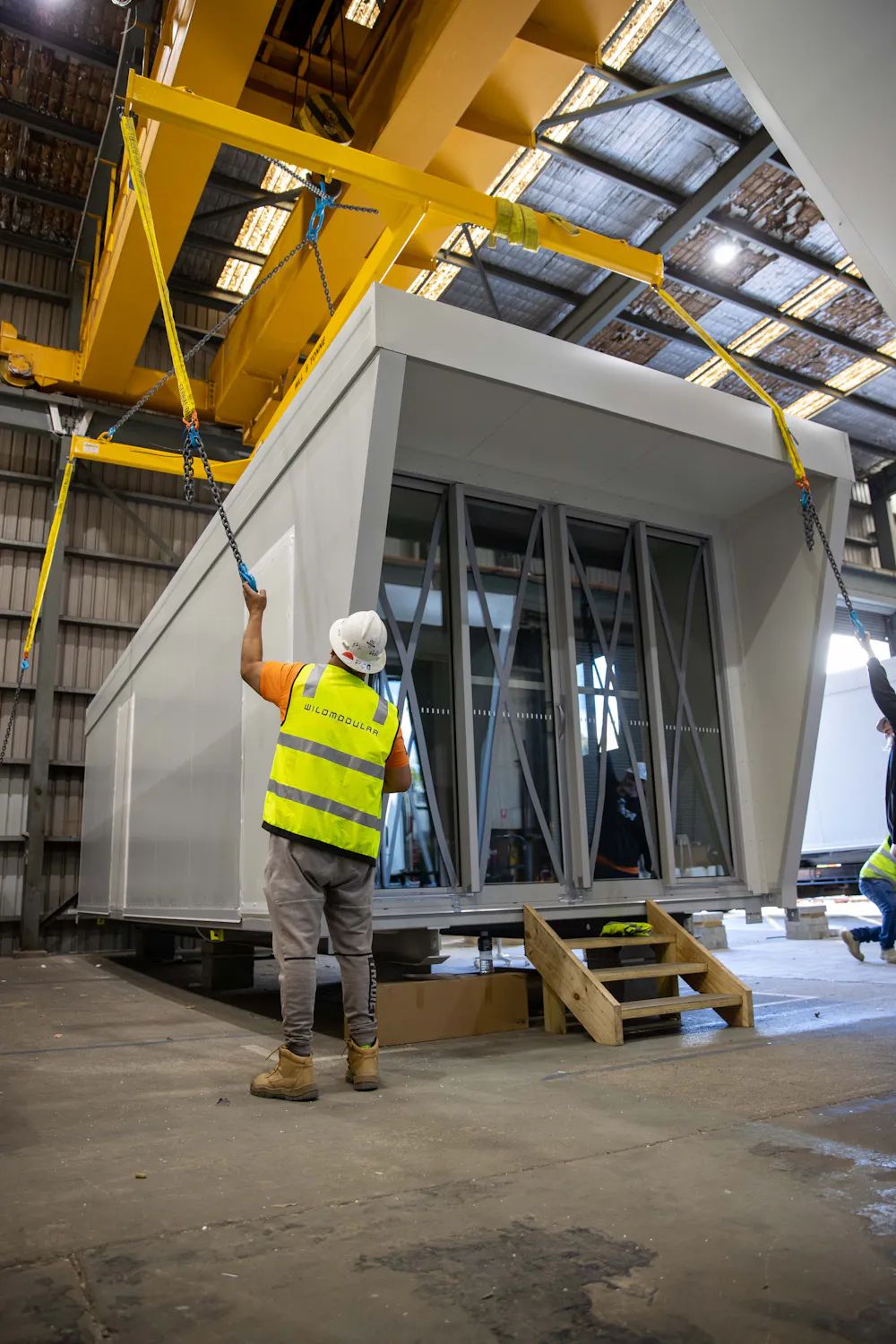
Resilient, net-zero homes are not a luxury. They are a necessary tool for reaching Australia’s emissions-reduction goals.
And government policy to tackle both housing and climate change should extend beyond new homes. None of the three parties offers a clear timetable to retrofit millions of draughty houses or protect low-income households from heat, flood and bushfire, or has proposed binding national policies to stop new homes being built on flood plains.
Whichever party forms the next government, it must ensure housing and climate policies truly pull in the same direction.


