

Some towns are cutting fluoride from water supplies. Here’s what this means for locals’ teeth
- Written by The Conversation
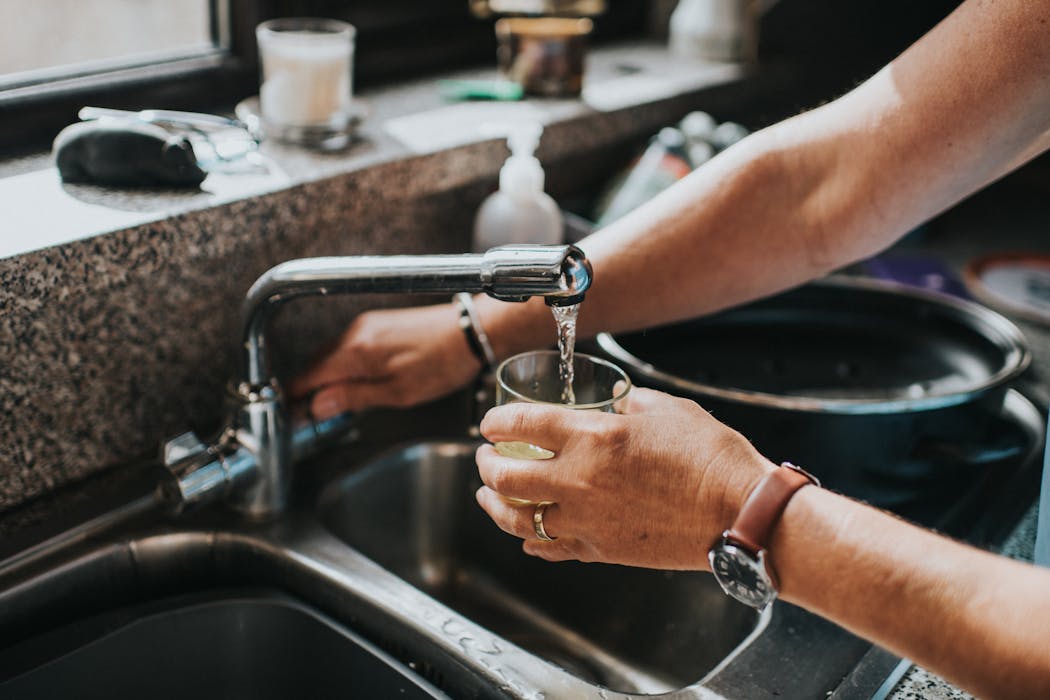
Thousands of residents in Dubbo and Wellington, in western New South Wales, haven’t had fluoride added to their tap water for nearly seven years.
After a public outcry, the council’s fluoridation equipment is being repaired and replaced, with fluoride expected to be restored to their drinking water by the end of the year.
In contrast, Far North Queensland’s Cooktown and Gympie councils have stopped fluoridating their water, despite a large body of evidence showing it’s a safe and effective way to prevent tooth decay.
Where you live determines your access to fluoridated tap water
Australia first added fluoride to drinking water in 1953, starting in Beaconsfield, Tasmania. Other places soon followed, including Sydney in 1968.
Queensland was the last state to fluoridate drinking water, and mandated it in 2008. But this didn’t last long. In 2012, the Newman government allowed each council to decide whether to fluoridate its supply – and opt out if their community opposed it due to costs or safety concerns.
Today, about 90% of Australians drink fluoridated water. But it’s just 72% in Queensland
In NSW, councils must follow state government-regulated water fluoridation requirements.
The Victorian, South Australian, Australian Capital Territory and Tasmanian governments also ensure drinking water is fluoridated.
Western Australian and Northern Territory governments allow for limited community-based decision-making.
What can happen if you stop drinking fluoridated water?
1. You will reduce the protective effects of fluoride
Fluoride works in three ways. First, it fills the microscopic gaps in the lattice-like tooth surface. This makes the tooth harder to dissolve when exposed to acids in our food.
Second, it acts like a scavenger to find minerals in our saliva to fill the microscopic cavities or holes that are forming.
Finally, it stops cavity-forming bacteria from digesting the sugar and carbohydrates we consume. Starving the bacteria stops them from multiplying on your teeth and gums.
2. You may end up with cavities and infected teeth.
Fluoride in drinking water reduces the number of cavities in teeth.
My research in Lithgow NSW showed every second child had holes in their teeth before fluoride was added to their water.
People who live in fluoridated regions have fewer cavities in their teeth are less likely to need a tooth removed because of an infection, than those who live in fluoridated areas.
3. You will have to improve your oral hygiene practices
Despite their best efforts, two-thirds of people miss at least six teeth even if they brush twice a day.
Low concentration of fluoride in drinking water compensates for areas we might miss and complements toothbrushing.
4. You may spend more money (and time) at the dentist
Drinking fluoridated water is cost-effective and protective.
For every A$100 a council spends fluoridating water, a resident saves up to A$1,800 in potential dental treatment costs.
Fluoridated water helps kids and adults who can’t visit the dentist often.
How safe is fluoride in drinking water?
Fluoride is carefully added to our drinking water at water treatment plants at a dose of around one drop of fluoride per 50 litres of drinking water.
Fluoride in drinking water has been the subject of extensive scientific investigation for more than 70 years. In those years, studies have consistently shown the benefits for oral health.
In 2017, a review from Australia’s National Health and Medical Research Council concluded community water fluoridation is a safe, effective and equitable to help prevent tooth decay.
In 2024, the United States Centres for Disease Control reiterated that community water fluoridation is safe, effective and cost-efficient method for preventing tooth decay and improving oral health.
Similarly, the 2024 update by the United Kingdom Parliamentary Office of Science and Technology endorsed the safety of water fluoridation.
What about its effects on IQ?
Drinking fluoridated water has no effect on IQ, despite claims from US Health Secretary Robert F. Kennedy Junior that it is linked with IQ loss. This is one of the reasons RFK wants it removed from US drinking water.
Kennedy has cited multiple studies for his IQ claim, including a recent highly publicised and criticised report.
The studies were mostly conducted among Chinese and Indian children living in rural areas. The intelligence tests used in the studies excluded some of the domains typically used to measure IQ.
Many of the studies did not account for contaminants known to reduce IQ, such as lead, and were conducted in nations with poorly controlled fluoride levels in the water. In countries such as Australia and New Zealand, the fluoride levels are controlled.
Read more: Is fluoride really linked to lower IQ, as a recent study suggested? Here's why you shouldn't worry
Is my water fluoridated?
If you’re unsure whether your drinking water contains fluoride, check your state or territory health department’s website – many have maps or lists of fluoridated areas.
You can also contact your local council, water supplier or check your annual water quality report for fluoride levels.


