

Big bills, ‘fur babies’ and administering a good death: reflecting on ethics in veterinary medicine
- Written by The Conversation
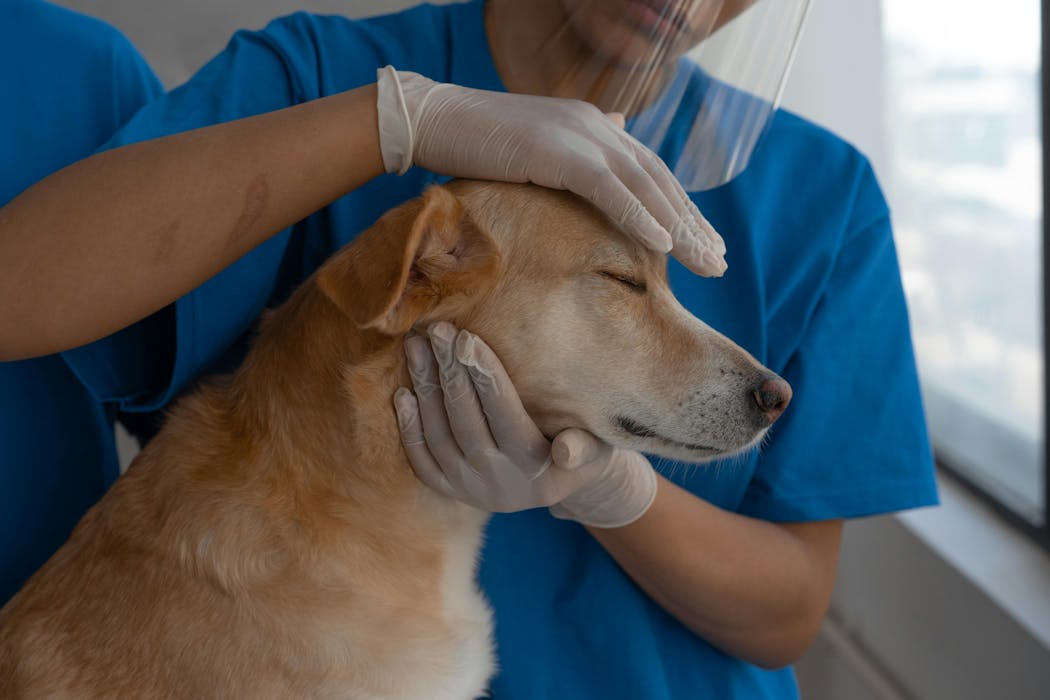
Vets are regularly accused of various failures: overcharging clients, neglecting patient care, and rushing pets and owners through appointments.
Criticism can also come from vets themselves. Contributors to a new edited book, Veterinary Controversies and Ethical Dilemmas: Provocative Reflections on Clinical Practice, raise several concerns about their profession.
Graduating vets may take an oath or pledge to ensure the health and welfare of animals.
Although the book has many authors with various viewpoints, a central critique is that vets do not always meet this standard. It raises important questions and encourages reflection on vet ethics.
Still, readers of this book may, at times, get the impression practitioners have all but lost their ethical way.
That may be true of some individual vets.
However, as a former vet who has spent years researching animal ethics in the context of veterinary medicine, I can tell you many vets care deeply about animals, and do well in putting their welfare first.
The question of overservicing
One criticism in Veterinary Controversies is that practitioners offer unnecessary services, both routine and more advanced or specialised, that can harm animals. The book highlights how, for instance, vets promoting routine pre-anaesthetic blood panels for all animal patients can result in problematic overdiagnosis.
Nonetheless, many tests and procedures offered by vets are supported by standards of good practice. Clients can, and do, have general confidence in veterinary services and recommendations.
Yes, veterinary medicine has become more specialised. As in medicine, there are now vet oncologists, neurosurgeons, and MRI machines. This book at times appears to suggest that much advanced or specialist treatment is excessive.
While it can sometimes be ill-judged or even overly experimental, much specialised treatment is both evidence-based and beneficial.
Some contributors think vets are prone to offer only “gold standard” treatment, even if that is too expensive for the client or is not best for the patient.
That can certainly be a problem. Still, the idea of a “spectrum of care” attuned to each patient’s needs is now generally taught in veterinary schools. If best treatment exceeds the client’s financial means, many vets will now offer less advanced and less expensive treatments that still benefit animal patients.
Are we anthropomorphising?
Another criticism in the book is that vets treat animals too much like humans.
For example, some contributors argue veterinarians often try too hard to treat very sick animals and extend their lives when euthanasia would be kinder. Like dressing “fur babies” in human clothes, this desire to prolong life may be excessively anthropomorphic.
Of course, vets should avoid pursuing futile, non-beneficial, and harmful treatment.
However, the criticism of vets who strive to extend the lives of unwell patients appears at times informed by a view – held by some animal welfare scientists – that killing cannot harm animals. As some contributors put it, “death is not a welfare issue”.
To outsiders this may sound confusing, so I will try to explain.
Roughly, the idea is that while animals are alive, they can have good or bad experiences, and thus a welfare. But when they are dead, they cannot experience anything, and so the notion of welfare disappears. Also, animals lack a concept of death, and their death can be painless; a “good death”.
This is why some vets don’t regard euthanising an otherwise healthy animal to be harming them.
Yet I would argue that death may very much be regarded as a harm. At the very least, death can often deprive animals of valuable experiences.
A patient-centred vet may provide euthanasia when it benefits a suffering animal with very poor prospects.
But they will, I would suggest, not only seek to protect animals from “convenience” euthanasia, but also sometimes try to save or extend the lives of even very sick patients, to help them experience worthwhile lives.
Ethical leaders on animal welfare?
Compellingly, one contributor argues national veterinary associations don’t always show moral leadership on major animal welfare issues in society.
While veterinary professional associations are improving in their animal advocacy, the contributor argues, they could be bolder in opposing cruel activities.
Consider an example. The American Veterinary Medical Association (AVMA) was criticised for not opposing barbaric methods of “depopulating” farmed pigs and chickens during COVID when meatpacking plants shut down. It shocked people, including many vets, that the association could accept mass killing by overheating animals to death.
Other industries, like intensive factory farming, live animal export, and greyhound and horse racing also elicit growing public concern.
As well as promoting welfare improvements – which they often do well – I agree national veterinary associations could take a more abolitionist stance towards unethical animal uses.
Trust in vets and the way forward
Sometimes criticism of vets is unfair – and harmful. Being unjustly attacked by clients and the media is extremely distressing for many veterinarians who live their oath to serve animals. It may even contribute to the disturbingly high suicide rate among vets.
Large vet bills, I would argue, are not necessarily due to callous profit-seeking. Good medicine is sometimes expensive. And vets are paid much less than doctors and dentists.
Unlike human medicine, veterinary medicine is not publicly subsidised. A scheme like Veticare might help.
Nonetheless, as Veterinary Controversies illustrates, no profession is beyond criticism.
Ultimately, moral trust in veterinarians as practitioners and animal welfare leaders in society requires an ethically reflective professional culture. In my view, more substantial education of vets in philosophical ethics may help to promote such a culture.


