

Emotional abuse is a pattern of hurtful messages – building parenting skills could help prevent it
- Written by The Conversation
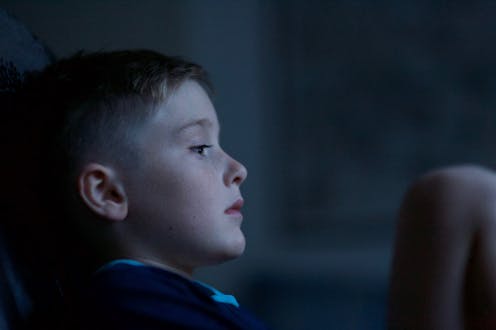
When people think about child maltreatment, many think of physical or sexual abuse. But a key finding of our Australian Child Maltreatment Study, published last month, is that emotional abuse is widespread and associated with similar harms as sexual abuse.
It is an overlooked type of child maltreatment that requires urgent attention.
Read more: Major study reveals two-thirds of people who suffer childhood maltreatment suffer more than one kind
What is emotional abuse?
Emotional abuse is a pattern of parent behaviour and interactions that communicate (verbally or non-verbally) to the child they are worthless, unloved, unwanted or that their only value is in meeting someone else’s needs.
It can include verbal hostility (insults, humiliation, hurtful name calling), rejection (such as parents or carers saying they hate a child, don’t love them, or wished they were dead) or denying emotional responsiveness (consistently ignoring or withholding love or affection).
Emotional abuse is a repetitive pattern of hostile interactions, as opposed to occasional angry words in an otherwise loving and nurturing relationship.
How common is emotional abuse?
Our research found 30.9% of Australians experienced emotional abuse during their childhood.
Rates among young people aged 16–24 years are even higher (34.6%) suggesting it may be increasing.
More women experienced child emotional abuse than men, and there are higher rates of emotional abuse among gender diverse people.
The messages that emotional abuse sends children are hurtful. For example, one in ten young people had a parent tell them they hated them, didn’t love them, or wished they had never been born. We found most emotional abuse extended over a period of years.
The paradox of emotional abuse is that it comes from the most important adult(s) in a child’s life. And this hurt occurs while a child’s sense of self-worth and identity is developing. It negatively influences the way children perceive themselves for many years – potentially throughout their lifetime.
What is the impact of emotional abuse?
Compared to Australians who were not maltreated in childhood, and after adjusting for demographics and other co-occurring forms of child maltreatment, adults who experienced emotional abuse in childhood are:
- 1.9 times as likely to have a major depressive disorder
- 2.1 times as to have generalised anxiety disorder
- 2.0 times as likely to have post-traumatic stress disorder.
In the past year they are:
There are links between people who experience emotional abuse and obesity, binge drinking alcohol and cannabis-dependence. These findings back up other studies worldwide that show the physical and mental health harms associated with emotional abuse of children. These come with substantial personal, social, and economic costs.
How can we reduce emotional abuse?
A comprehensive approach is required, starting with broad policy change, and encompassing a range of strategies including parenting interventions, mental health interventions and population education approaches.
Fundamentally, emotional abuse is about parent-child interactions. Evidence-based parenting supports should be widely available and easily accessible. Supports that aim to enhance positive, loving parent-child relationships, teach non-abusive parenting strategies, combat negative attributions, and enhance parental confidence are likely to be most effective for the prevention and treatment of child maltreatment.
These programs teach parents why children behave as they do and provide practical strategies for communicating with children and showing affection, encouraging positive behaviour and using clear, calm limit-setting and discipline to manage problem behaviour.
However, there is more evidence available for physical abuse prevention and further research on what works for specific types of maltreatment, and for whom, is needed.
There is evidence the right kind of help can prevent psychological aggression in some parents. This has not been studied at a wider population level but is possible. To do this a blend of supports of different intensities would be needed. This could include public health campaigns using mass and social media similar to the Slip Slop Slap campaign which resulted in reductions in melanoma rates.
Prevention and early intervention programs could be delivered through pre-schools and schools. More intensive support for high-needs families could be offered through maternal and family health services, allied health professionals and mental health specialists.

All children deserve a loving environment
Population studies of parenting interventions have demonstrated reductions in rates of physical abuse across whole communities, indicating even parents who do not actively attend parenting programs benefit from the their availability. This likely occurs through changing social norms and social contagion effects. Since these focus on strengthening parent-child relationships and reducing known parental risk factors, its likely they would also reduce rates of emotional abuse. More research in this area is sorely needed.
Parenting support must be embedded within broader social and policy changes designed to support families. These include those focused on reducing financial strain and food insecurity, and those that aim to increase access to high-quality childcare, education, and health and mental health services.
All children deserve to be raised in loving, safe, nurturing environments. Emotional abuse should not remain a “silent” form of child maltreatment. It must not be ignored just because the harm is not physical or sexual. We must prioritise the reduction of emotional abuse alongside other forms of child maltreatment – starting with the parents and carers at risk of inflicting it.
For parenting support contact Parentline. The Australian government has also made an evidence-based online parenting program available for free.


