

Why move species to islands? Saving wildlife as the world changes means taking calculated risks
- Written by The Conversation
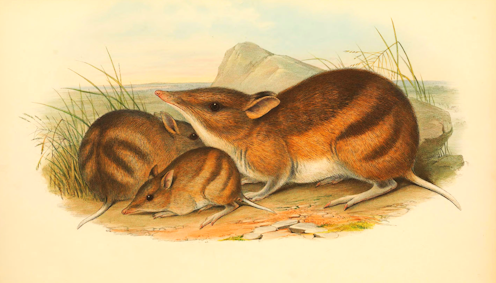
The eastern barred bandicoot was once found in abundance across the basalt plains of western Victoria. But habitat destruction and predation by introduced red foxes drove the species to the brink of extinction on the mainland.
Establishing populations in fenced reserves was critical in providing insurance against extinction. To further increase bandicoot numbers to provide long-term security against extinction, we needed more fox-free land.
A bold plan was hatched: move the species to where the predators weren’t. Introduce them to Victoria’s fox-free Phillip and French islands.
Six years later, the bandicoot made conservation history, as the first species in Australia to be reclassified from extinct in the wild to endangered.
Why don’t we translocate all endangered species to islands? The technique can be effective, but can come with unwanted consequences.
The surprising benefits of translocation
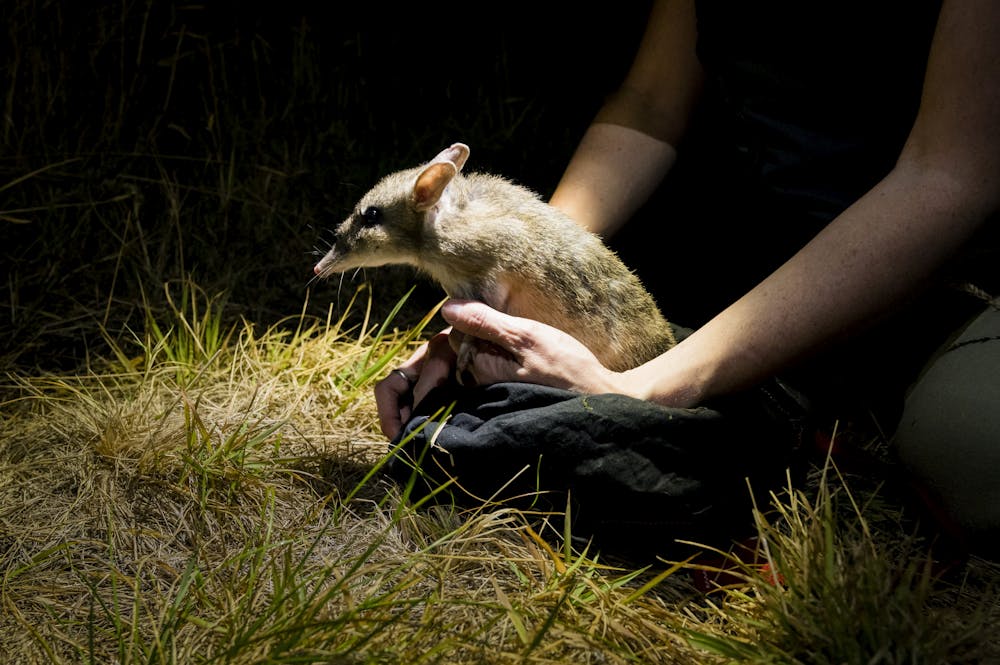
Eastern barred bandicoots are ecosystem engineers. As they dig for their dinner of worms, beetles, bulbs, fungi and other foods, their industrious work improves soil quality, and in turn, the health of vegetation.
So when we translocate threatened species, we can get a double win – a rapid increase in their populations and restoration of lost ecosystem functions.
Australia’s landscapes look very different than they did before European colonisation around 230 years ago.
Industrialised farming, introduced predators and habitat destruction and fragmentation are driving biodiversity decline and extinctions. As species die out, ecosystems lose the vital functions wildlife perform. Without them, ecosystems might not operate as well or even collapse – a little like a poorly serviced car engine.
Read more: Losing Australia's diggers is hurting our ecosystems
We feel the loss most acutely when we lose keystone species on which many other species depend, such as oysters and bees. Restoring these functions can improve biodiversity and the sustainability of food production. For instance, encouraging owls to return to farmland can cut the use of damaging rodent poisons, as owls eat thousands of mice and rats yearly.
Before colonisation, industrious digging mammals and their soil excavations were extremely widespread. Regrettably, introduced foxes and cats have made short work of many of Australia’s diggers. Six of 29 digging species are now extinct, including the lesser bilby, pig-footed bandicoot and desert rat-kangaroo. Many others are endangered.
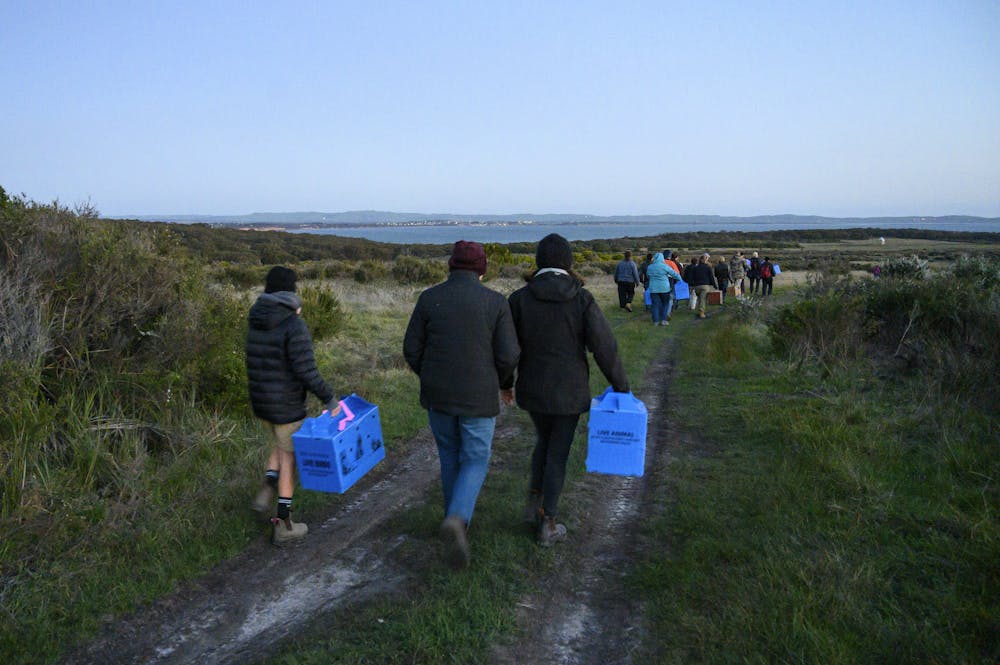 Once released on the islands, eastern barred bandicoots have flourished.
Zoos Victoria, Author provided (no reuse)
Once released on the islands, eastern barred bandicoots have flourished.
Zoos Victoria, Author provided (no reuse)
Could translocation save more species?
Conservationists have successfully translocated species such as the western swamp tortoise, the Shark Bay mouse, and northern quolls.
New environments don’t necessarily need to be predator-free. The eastern barred bandicoot is thriving on Phillip and French Island, in the presence of feral and domestic cats. The key is there are no foxes.
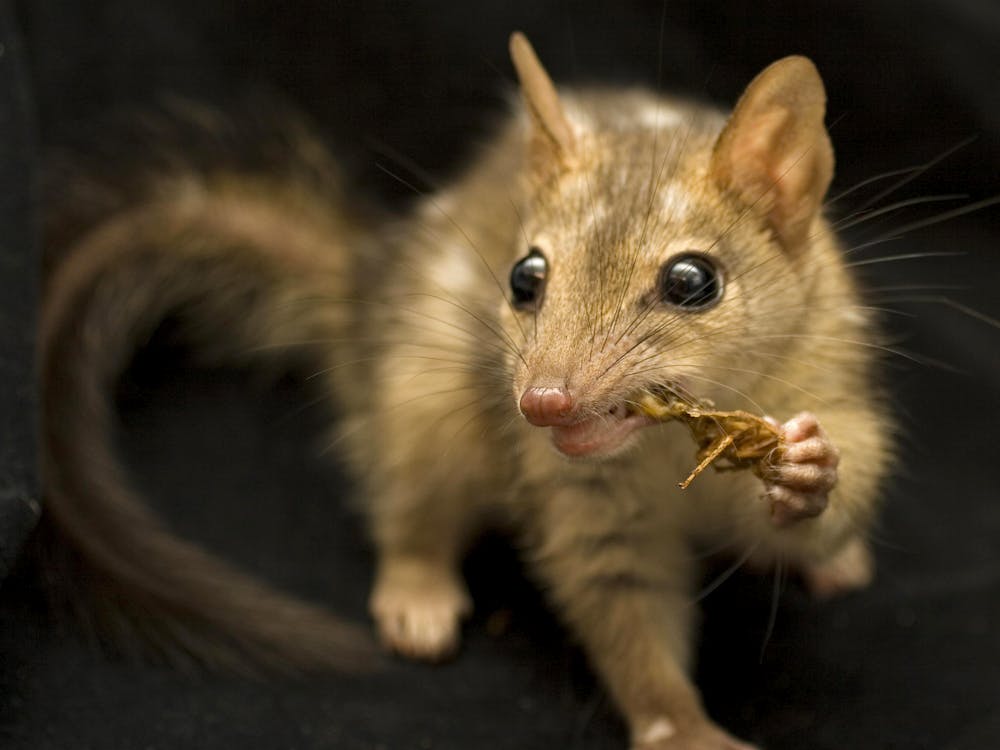 The northern quoll is the smallest of Australia’s four quoll species.
John Webb/AAP
The northern quoll is the smallest of Australia’s four quoll species.
John Webb/AAP
Many islands are now being thought of as conservation arks, able to provide safe havens for several threatened species at once. Dirk Hartog Island, Western Australia’s largest, is now home to reintroduced western quolls, dibblers, mulgaras and other small mammals, as well as two translocated hare-wallaby species.
Why is translocation not more common?
The technique can work very well – but it can also backfire.
In the 1920s, conservationists undertook the first translocation in Australia by moving koalas to Phillip and French Island – the same Victorian islands now a refuge for bandicoots. While this protected koalas from hunting pressure, koala populations exploded, and the tree-dwelling marsupials ate themselves out of house and home in some areas.
In 2012, conservationists began introducing Tasmanian devils to Maria Island, just off Tasmania’s east coast. They wanted to conserve a healthy population free from the contagious facial tumour which has devastated their populations. On Maria Island, the devils became too successful, wiping out the island’s penguin and shearwater populations.
You can see translocations aren’t a silver bullet. We have to carefully consider the pros and cons of any such conservation intervention. Ecosystems are complex. It’s not easy to predict what will happen to an ecosystem if we introduce a species new to the area.
The decision to translocate a species is a value judgement – it prioritises one species over the broader ecosystem. Opponents of translocation question whether we are doing the right thing in valuing efforts to conserve a single species over the innate value of the existing ecosystem.
Read more: So you want to cat-proof a bettong: how living with predators could help native species survive
What’s the best approach in future?
Translocation is not the end goal. Islands cannot support the vast array of threatened species in Australia.
The end goal is to establish and expand threatened species populations on the mainland in fenced reserves before eventually reintroducing them to the wild where they will encounter introduced predators.
Research is being done to explore how we can make this work, such as:
1) Predator-savvy wildlife: some native species may be able to adapt to living alongside introduced predators – with some help. For example, conservationists have exposed semi-captive bilbies to small numbers of feral cats with the aim of increasing their wariness and ultimately boosting their chances of survival. Results have been encouraging.
2) Building ecosystem resilience: we know more intact native ecosystems can reduce the chance of damage from invasive species . That means re-establishing native ecosystems could boost their resilience.
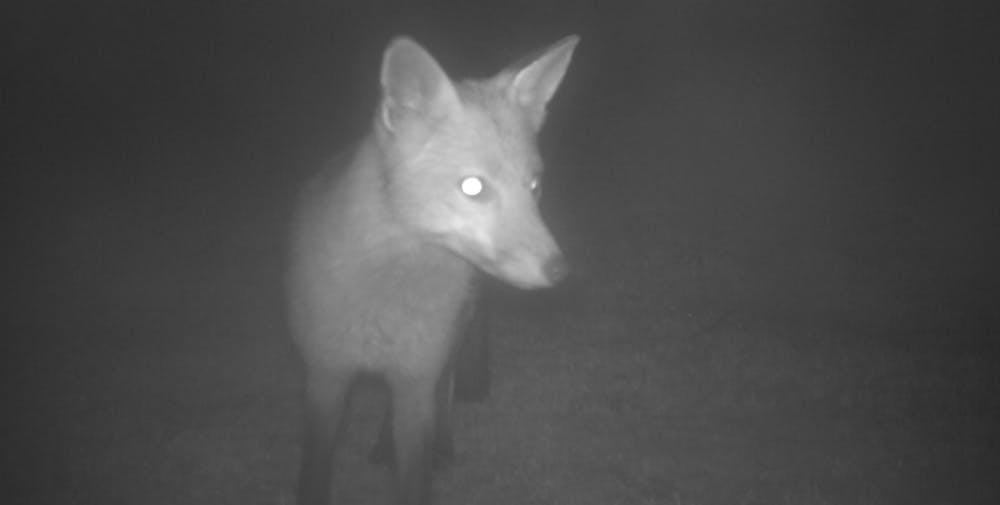 Making sure foxes don’t repopulate Phillip Island takes constant surveillance. This photo shows a fox which evaded capture for two months in 2022.
Phillip Island Nature Parks/AAP
Making sure foxes don’t repopulate Phillip Island takes constant surveillance. This photo shows a fox which evaded capture for two months in 2022.
Phillip Island Nature Parks/AAP
Moving a species from its home is a bold and risky decision. It’s critical local communities and First Nations groups are consulted and able to guide discussions and any eventual actions.
For their part, governments, land managers and conservationists must think more broadly about how we might best conserve species and ecosystems in a rapidly changing world.
Read more: Threatened species recover in fenced safe havens. But their safety is only temporary


