

A hollow egg or the whole basket? How much chocolate should my kid eat this Easter?
- Written by The Conversation
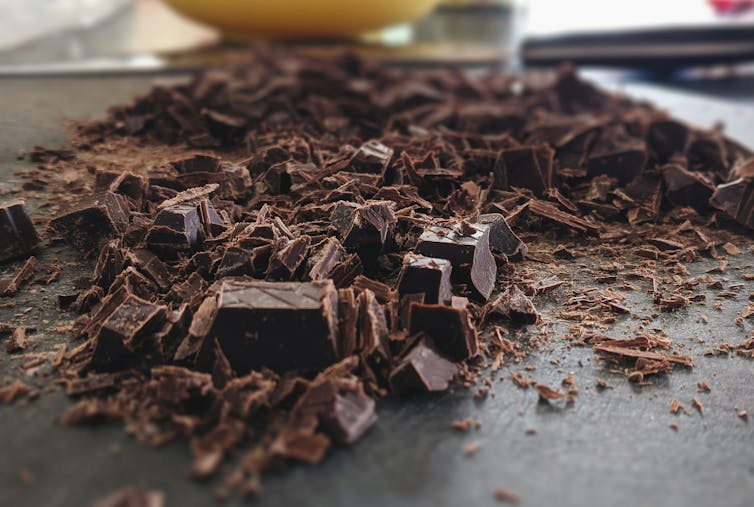
Easter is the time for chocolate. The shops are full of fantastically packaged and shiny chocolates in all shapes and sizes, making trips to the supermarket with children more challenging than ever.
Meanwhile kids are receiving chocolate eggs at every turn from friends, relatives and the Easter Bunny (or bilby).
But this can also make it very tricky for parents to manage their kids’ chocolate intake.
What’s in chocolate?
There are potential health benefits of chocolate. Cocoa beans are rich in fat, vitamins, minerals and phenolic compounds (or phytochemicals) which have been shown to reduce blood pressure.
But these phenolic compounds taste so bitter they make raw cocoa almost inedible. And this is where food processing steps in.
Sugar, milk fat and other ingredients are added to make milk chocolate – the amount of cocoa used is small. By the time you get to “white chocolate” there is no cocoa at all.
Overall, studies on the health benefits of chocolate show very weak evidence that chocolate is good for our health.
If there is a benefit, it comes from very dark, bitter chocolate with a high proportion of cocoa (and phytochemicals), which children tend not to like. Dark chocolate sometimes gives adults a “mood boost” as it contains caffeine.
How much chocolate should kids eat?
All types of chocolate are classed as “discretionary” foods, the same as biscuits, cake and sugary drinks. This means they should be considered as treats.
As a rough guide, kids aged two to three years should not have more than one serve per day of discretionary foods and for older kids up to three serves per day. Translating this into “chocolate”, a serve of chocolate would be 25–30g. An average hollow chocolate Easter egg weighs in at around 100g.
But it is OK for children to have some chocolate as a treat. Kids are not going to go sugar crazy if they enjoy eating their bunny or have some extra chocolate over the Easter break.
If children eat only chocolate through the day, this could lead to a sugar crash and leave kids hungry and cranky at bedtime. So make sure you fill them up with real food before letting them at the chocolate eggs.
Babies should not be offered chocolate as it will sensitise them to overly sweet flavours. But those more than six months old can join in the fun with a “real egg” hard boiled.
How can you manage Easter festivities?
When planning treats for your kids, there are a few things you can do to manage the chocolate:
if you are buying eggs and bunnies, compare the weight of products to help you choose a suitable serving size for your child’s age
use small, individually wrapped eggs in your egg hunt. Smaller pre-wrapped portions help parents manage consumption over time without nagging and demonising chocolate as a “bad food”
ask family members to buy an alternative gift such as a book or game to reduce the sheer quantity of chocolates entering the house at Easter
remember bunnies eat carrots too! Offer savoury snacks before the chocolate to help fill them up with essential nutrients before they have their treats.
Read more: Here's why having chocolate can make you feel great or a bit sick – plus 4 tips for better eating


