

What is aflatoxin, the toxic chemical behind Coles’ peanut butter recall?
- Written by The Conversation
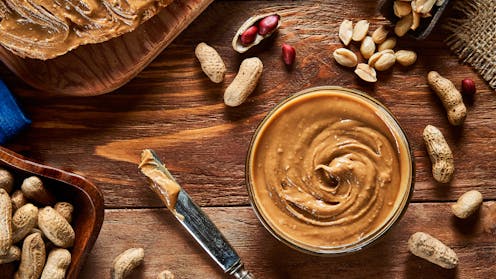
Coles is recalling two of its homebrand peanut butter products, over concerns they have been contaminated with aflatoxin, a toxic chemical linked to liver cancer.
The supermarket chain has issued the recall notice for Coles Smooth Peanut Butter 1kg and Coles Crunchy Peanut Butter 1kg, with the best before date of February 5 2027. They were sold in supermarkets and online nationally between May 1 and June 30 this year.
Aflatoxin can cause injury or illness if eaten, according to Australia’s food safety authority.
But what is aflatoxin? How does it get into food? And what is the risk if you eat it?
What is aflatoxin? Where does it occur?
Aflatoxins are a toxic chemical (a mycotoxin) produced by fungi. The mould-like fungi that produce aflatoxins belong to a large group called Aspergillus.
These fungi are found in all environments, for example in soils, compost, building surfaces and on crops and other plants, and can cause infections or poisoning in humans and animals.
Aspergillus flavus and Aspergillus parasiticus, which produce aflatoxins, thrive mainly in agricultural crops but also in soils, rotting food and compost. The fungi emerge as spores and form networks of microscopic filaments that can grow on products such as grains and nuts.
As these fungi grow they release a range of chemicals, including aflatoxins, that can lead to contamination of produce before and after harvest, or after processing.
Aflatoxins are some of the most poisonous types of mycotoxin.
Different kinds of aflatoxins usually affect contaminated food (aflatoxins B1, B2, G1), crops (G2) and milk (M1).
Which foods are most risky?
Crops produced and stored in warm, humid or moist tropical locations are most at risk, as toxin-producing moulds thrive in these conditions.
High-risk foods include peanuts, corn and tree nuts (such as brazil, walnut and pistachio nuts). The toxin-producing fungi can also grow on wheat, rice, sorghum and spice crops such as turmeric, chilli, ginger and coriander.
If animals graze on contaminated crops, their milk and meat can also become contaminated.
Internationally, the Joint Food and Agriculture Administration and World Health Organization is responsible for setting guidelines and monitoring standards for mycotoxins via its expert committee on food additives.
In Australia, aflatoxin food contamination is not common. In the past decade, there have only been a handful of recalls.
Why are aflatoxins dangerous?
Aflatoxins can damage your liver and cause cancer.
Eating a lot of contaminated foods over a short period of time can lead to aflatoxicosis, acute poisoning that immediately damages the liver. Symptoms can include nausea, vomiting, abdominal pain and convulsions, and may be life-threating.
Over a long period, smaller amounts of contaminated foods can lead to liver cancer, birth defects, kidney disease and immune system dysfunction.
There is no specific treatment for alfatoxins. Management after acute or long-term exposure focuses on addressing symptoms and monitoring liver health.
How can I stay safe?
There is not much individuals can do to control the presence of aflatoxin and other mycotoxins in foods, as contamination occurs during agriculture and processing.
You should store nuts and nut products in a way that stops mould growing. Use well-sealed containers kept in dry and cool conditions.
Freezing and cooking may kill the fungi, but the toxin can survive extreme temperatures.
Unfortunately, it is difficult to see the fungi with the naked eye. However you should avoid visibly mouldy foods and throw away nuts and grains that are shrivelled or discoloured.
What should I do if I’ve bought or eaten these products?
Coles has advised customers to return the products to stores and contact its hotline for more information (1800 061 562).
If you’re concerned you may have eaten contaminated peanut butter, speak to a health professional.


